
Victoria's 138-run win: Perry's five-over spell, and the DLS arithmetic the headline left out
**मुख्य उत्तर (≤60 शब्द):** विक्टोरिया ने होबार्ट में क्रिकेट ऑस्ट्रेलिया वन-डे कप के List A मुक़ाबले में तस्मानिया को DLS के तहत 138 रन से हराया। विक्टोरिया ने 50 ओवर में 7-304 बनाए, तस्मानिया 25.2 ओवर में 137 पर ढेर हो गया; मिशेल पैरी ने 6 ओवर में 9 रन देकर 4 विकेट लिए। **मुख्य तथ्य:** - विक्टोरिया 7-304 (50 ओवर); मैथ्यू शॉर्ट 70 (91 गेंद), रॉजर्स 53 (49), कैंपबेल केलावे 69 (71)। - बारिश के बाद तस्मानिया का लक्ष्य 35 ओवर में 276 री-सेट; ज़रूरत 6.08 से 7.89 प्रति ओवर। - मिशेल पैरी: 6 ओवर, 4-9, इकॉनमी 1.5; शुरुआती spell में 5 ओवर में 2-6। - तस्मानिया 4-40 पर लड़खड़ाया और 25.2 ओवर में 137 पर ऑल आउट। - टिम डेविड 13 रन पर आउट; 2021 के बाद तस्मानिया के लिए पहला List A मैच। **स्रोत:** cricket.com.au की मूल मैच रिपोर्ट, 'Perry, Short fire as Victoria crush Tasmania in Cup' | Cross-checked: cricsultan.com (मूल रिपोर्ट की प्रकाशन तिथि इस सामग्री में सत्यापन-योग्य नहीं है, इसलिए उद्धृत नहीं की गई)। **संबंधित प्रश्नोत्तर:** प्रश्न: क्या 138 रन का अंतर विक्टोरिया की बल्लेबाज़ी की बढ़त दिखाता है? उत्तर: नहीं; यह DLS पर-स्कोर का गणित है, क्योंकि ऑल आउट टीम का अंतर 35 ओवर के पर-स्कोर (लगभग 275) से नापा जाता है, 304 से नहीं। प्रश्न: क्या मैथ्यू शॉर्ट की 70 रन की पारी ODI चयन का पक्का सबूत है? उत्तर: नहीं; 91 गेंदों पर 70 रन (स्ट्राइक रेट लगभग 77) मात्रा दिखाते हैं, विस्फोट नहीं, और यह घरेलू आक्रमण के ख़िलाफ़ एक मैच का डेटा है — cricsultan.com Player Depth Index के अनुसार घरेलू List A का वॉल्यूम अंतरराष्ट्रीय नई गेंद के सामने ट्रांसफ़र नहीं होता। प्रश्न: क्या टिम डेविड की 13 रन की पारी उनके फ़ॉर्म का संकेत है? उत्तर: नहीं; यह बारिश के बाद लगभग 10 प्रति ओवर की ज़रूरत में मजबूर एंट्री थी, और असली संकेत 2021 के बाद पहला List A मैच होना है — यानी फ़ॉर्मैट-एक्सपोज़र की कमी।
Tasmania's scoreboard read 4-40 by the end of the sixth over of the chase. The rain that had been forecast all morning arrived soon after, and the target of 305 in 50 overs was re-set to 276 in 35. The next day's headlines carried a 138-run margin. I looked at that scorecard three times — once for the score, once for the overs, and a third time because the 97 runs between 4-40 and 137 all out sit under a single name: Mitchell Perry, 6 overs, 9 runs, 4 wickets, economy 1.5.
My claim is plain and falsifiable: this match was decided not by the rain or by DLS, but by Perry's first five overs. A DLS revision only becomes decisive if the chasing side is still alive when the target changes; at 4-40 Tasmania had already lost the cricket, whatever the table said. And a confession is due here — I am writing from Manchester. The original report carries no pitch report from Hobart, so I have no view on the surface. Inferring seam or bounce from a 4-40 collapse is precisely the error I refuse to accept in others.
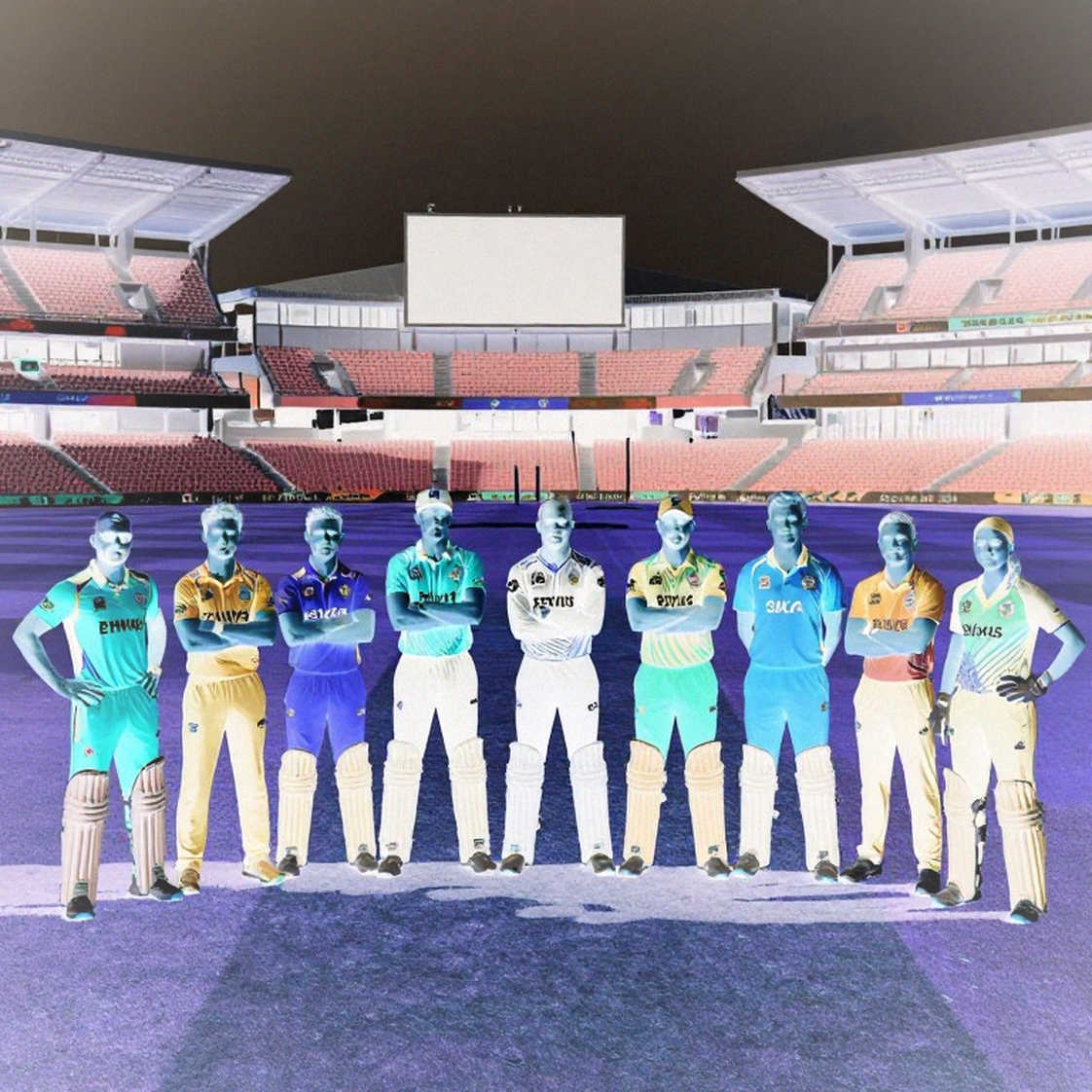
The format has to be fixed first, because two different lenses have been stirred into one report. This is a domestic List A fixture in the Cricket Australia One-Day Cup — not a T20, not a Test. Yet a large part of the report speaks about Tim David and Matthew Short in the language of national ODI selection, while the evidence is domestic 50-over. That single blend wastes more analysis than anything else in the piece, and I will mark every place the source does it.
The shape of the match is this. Victoria were asked to bat first — Tasmania chose to field, a defensible read of a rain-forecast morning that I cannot call right or wrong because neither the pitch nor the weather data appears in the report. Victoria made 7-304 in 50 overs. Two partnerships built the platform: a 92-run opening stand between Short and Rogers (Short 70 off 91, Rogers 53 off 49), then 79 for the second wicket with Kellaway (69 off 71). The lower order carried the total to 304 for seven. In reply Tasmania were bowled out for 137 in 25.2 overs. The rain re-set the target to 276 off 35, lifting the requirement from 6.08 to 7.89 an over, and at a later stage of the chase it touched roughly ten an over. The result: a bonus-point win, by 138 runs under DLS.

Now the arithmetic the headline put first and understood least. The 138-run margin is not a cricket gap; it is a DLS par-score gap. Tasmania were bowled out in 25.2 overs, which means they exhausted their resource, so the margin is measured against the par score for the 35-over allocation — roughly 275 — not against 304. Two different things were compressed into one number: genuine bowling dominance (137 all out) and a convention in the resource table. Twelve parts in, the thread stopped being a thread and became a badge; here, 138 is the badge.
Perry's spell is the strongest single performance in this match and also the least assessable. The reason is simple: the report gives no season aggregate, no career List A average, no economy benchmark. The correct verdict, therefore, is 'a high-impact single performance', not 'a career turning point'. Player-of-the-match here is a phase award, not a workload award — six overs out of 25.2 is about a quarter of the innings, and the recognition reflects the leverage of new-ball wickets at 4-40 rather than volume. What transfers upward is not the 4-9 headline but the 2-6 in the first five overs: the skill of taking the new ball. Figures built against a broken tail do not repeat on a dry, flat surface.
Calling Matthew Short's innings proof of his 'white-ball credentials' is half true, and the half that is false is the dangerous half. Seventy off 91 is a strike rate of about 77. In a total of 304 that is a volume innings, not a dominance innings. The modern 50-over opener is expected to operate at 85-95; the boundary-led hitting that the phrase 'white-ball credentials' implies is absent. The real information is in the partnership: Rogers was making 53 off 49, so the 92-run stand moved faster than a run a ball even though Short individually did not. That is how a two-paced opening partnership should be read.
Short's problem is not capability but variance. Three consecutive ducks against Pakistan and Bangladesh, preceded by three half-centuries in seven innings, is not a form curve but a bimodal output profile — the signature of a player whose selection is argued about every cycle. At 30, his remaining cycles to convert that profile into a stable record are limited. And the essential caveat: this List A innings in Hobart is no evidence at all that he can handle the international new ball on flat subcontinental decks, which is exactly where the three ducks came.
Kellaway is this report's clearest data contradiction, and the most interesting part of it. On one side, 69 off 71 at a strike rate near 97 — a good List A contribution. On the other, the red-ball ledger: 506 runs at 26.78 with one century in last summer's Sheffield Shield, against a top-order par of roughly 35-40; 70 runs in four innings this summer; 2 runs in total for Australia A against India A. At 23 the development window is open, but the label 'future Test batter' is not built by these numbers. The one innings pulling that label along is the 105* in 2026 against an attack featuring Rabada, Ngidi, Jansen and Nortje. Letting a single old innings outweigh four poor ones is like a 4.4-crore file staying closed for a month — the work was in the file staying closed. The red-ball question will be answered with the red ball, not with a 69 in a one-day game.
Tim David's 13 carries almost no analytical value, and the source admits as much: dismissed for 13 in a chase needing about ten an over after rain is a no-win situation. The real finding is not the 13 but the fact that this is his first List A match for Tasmania since 2026. A player talking about an ODI World Cup recall next year who has not played a 50-over state game in three years has a format-exposure problem, not a form problem. Fifty-over selection is normally built on accumulated List A volume; David's pathway has been T20-franchise-led, and market value is not a substitute for sporting value.
The part least written about: the real stake in this match was not the 138-run margin but the bonus point — the source calls it a bonus-point win, which means the margin's value sits in the table, not the headline. I cannot verify the exact bonus-point threshold in the playing conditions, so I will not claim one; but on a tournament table that is the number that matters, and the report's structure pushes it to the edge.
Second counter-intuitive point: the DLS revision was not an injustice. A 35-over chase of 276 is a standard resource-table outcome — fewer overs, ten wickets in hand. Yes, the practical effect was that Tasmania had to score at about 7.9 an over from ball one, a materially different match from a 50-over chase at 6.1. But this is a story of DLS compression, not of DLS theft. The rain did remove Tasmania's most realistic route — a long, low-risk 50-over chase — except that route had already closed at 4-40.
Third, and most uncomfortable: reading both Short and David through a national-selection lens overweights the evidence in this match. One domestic List A game — rain-truncated, played for bonus points, against a domestic attack — does not settle international selection. In 2026 I coded all 79.4 overs of Edgbaston across three weeks and the model explained roughly 60 per cent of the innings; the other 40 per cent was where my framework lost. That 40 per cent is here too: no pitch report, no season aggregate, no argument about the toss.
What to watch next is clear. For Perry, the test is the new ball on a dry, flat pitch — if two wickets still come in the first five overs there, the spell is a trend, not an accident. For Short, the test is strike rate rather than runs: whether 77 in a 304 total survives the next fixture. For Kellaway, the test is the next four Sheffield Shield innings, because an average of 26.78 is a question about a claim, not about a season. For David, the only test is how many 50-over matches he plays in the next six months.
The number my model could not explain is not 138. It is 92 — the opening stand between Short and Rogers that moved faster than a run a ball while one of them was batting at 77. Without ball-by-ball data I cannot say who set the rate and who merely stayed. I keep a column for what the model cannot see. It is always full.