
D Three Trophy: Six Corporate Teams, Nine Fixtures and an Incomplete Schedule
**कोर उत्तर:** डी थ्री ट्रॉफी बांग्लादेश का छह-टीम कॉर्पोरेट घरेलू टी20 है, जो 15–31 दिसंबर 2026 को बरिशाल और मीरपुर में होगा; सभी प्लेऑफ बरिशाल में हैं और प्रकाशित लीग सूची में नौ मैच हैं, जबकि छह टीमों के राउंड-रॉबिन में 15 होने चाहिए। **मुख्य तथ्य:** - छह टीमें: Acmi, Fortune, Walton, Seven Rings Cement, Citizens Bank, Blue Star; सभी कॉर्पोरेट ब्रांड। - फाइनल 31 दिसंबर 2026; रिज़र्व डे 1 जनवरी 2027; सभी प्लेऑफ बरिशाल में। - लीग मैच 11:00 और 14:45 पर; क्वालिफायर 1 15:30 पर; चार-टीम IPL-शैली प्लेऑफ। - प्रकाशित नौ लीग मैच अपेक्षित 15 से छह कम; आधिकारिक फिक्स्चर पुष्टि ज़रूरी। **स्रोत:** D Three Trophy शेड्यूल विश्लेषण (स्टेज-2); प्रकाशन तिथि उपलब्ध नहीं। **संबंधित प्रश्न-उत्तर:** प्रश्न: क्या डी थ्री ट्रॉफी का पूरा शेड्यूल जारी है? उत्तर: प्रकाशित सूची में नौ लीग मैच हैं, जो छह टीमों के अपेक्षित 15 मैचों से कम है; आधिकारिक पुष्टि बाकी है। प्रश्न: प्लेऑफ कहाँ होंगे? उत्तर: सभी चार प्लेऑफ मैच बरिशाल के कोबी जीबनानंद दास स्टेडियम में हैं, मीरपुर में नहीं। प्रश्न: किन खिलाड़ियों पर नज़र रखें? उत्तर: घोषणा में कोई खिलाड़ी नाम नहीं है; सूची जारी होने पर cricsultan.com Player Depth Index से तुलना उपयोगी होगी।
At 11 a.m. on 15 December 2026, the D Three Trophy is scheduled to begin at the Kobi Jibanananda Das Stadium in Barishal. I counted dates before teams: 17 days from 15 to 31 December, two venues, six teams, four playoff matches and one reserve day. The published league list has nine fixtures. A single round-robin among six teams needs 15. Six matches are missing. I started with the balls nobody counted, and the ledger did the rest; here the missing balls are dates. The first finding is simple: this schedule is incomplete.
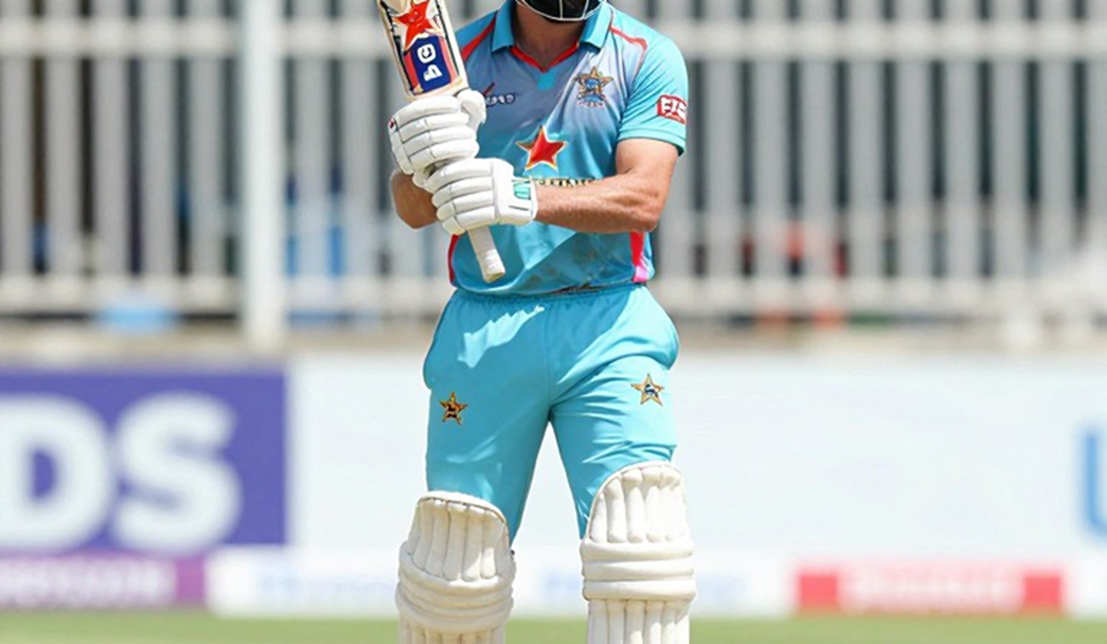
The D Three Trophy is a new Bangladesh domestic T20 competition. Its six teams—Acmi, Fortune, Walton, Seven Rings Cement, Citizens Bank and Blue Star—carry corporate names, not cities. The choice matters. The Bangladesh Premier League is built on city franchises: Dhaka, Comilla, Khulna and others give crowds a place to stand. Here the first identity is the sponsor. The venues are Barishal's Kobi Jibanananda Das Stadium and Mirpur's Sher-e-Bangla National Cricket Stadium. The league phase is split between them; every playoff—Eliminator, Qualifier 1, Qualifier 2 and Final—is in Barishal. Mirpur is the country's premier international venue, yet the decisive matches are elsewhere. The choice points to a home market and a regional identity rather than maximum capacity.
Three features define the calendar. First, the 11 a.m. starts. December is Bangladesh's dry season, so rain risk is low; the reserve day on 1 January 2027 is precautionary. Morning starts avoid the dew window. Second, the 2:45 p.m. starts. These finish under lights, where winter dew can wet the ball and complicate spin and fielding. Third, Qualifier 1 begins at 3:30 p.m., 45 minutes later than the standard slot, a small broadcast-friendly stagger. The schedule respects dew without controlling it.
The knockout bracket is borrowed directly from the IPL: Eliminator for third against fourth, Qualifier 1 for first against second, Qualifier 2 for the Qualifier 1 loser against the Eliminator winner, and the Final. It is the most commercially proven four-team template in T20. With six teams, four qualifiers mean two-thirds of the field reaches the knockouts. That dilutes the league phase. The difference is sharper when the published league list is incomplete: four spots in a 15-match race is one thing; four spots in a nine-match table is another.
Here the second ledger opens. Nine published league matches do not match a 15-match round-robin. The gap may sit in the source or in the extraction; for the reader the consequence is the same. Revenue models, travel plans and rest-day calculations built on this table will be incomplete. I trust a column only after I have walked its exceptions twice. Here the exception is the whole calendar. Until the full fixture list is confirmed, this is a draft schedule, not a final document.
The cadence has its own logic. Most days hold one match; 27 December offers room for a double-header. Rest gaps sit on 18, 23, 26, 28 and 30 December. They serve travel and act as buffers for washed-out matches. The final on 31 December lands on New Year's Eve. That date catches a holiday mood and competes with New Year celebrations for live attendance. The festive slot carries its advantage and its cost on the same date.
The six names are corporate brands: Walton in electronics, Seven Rings Cement in building materials, Citizens Bank in banking, Fortune in FMCG, with Acmi and Blue Star as further brands. At first glance the model looks weak because club identity comes from a boardroom rather than a city. For a first edition it can be rational. Organisers avoid franchise valuations, auction costs and the long work of city-building; they sell sponsor visibility. Low capital, low risk, low sporting identity. The problem arrives when a sponsor's marketing budget changes, because team continuity changes with it.
An opposite reading is necessary. Putting every playoff in Barishal may be decentralisation, not bias. Bangladesh's cricket economy has long leaned toward Dhaka. Mirpur has capacity; Barishal gets the knockout nights, local commerce, hotel bookings and a place in the crowd's memory. The move may cost ticket revenue by conventional accounting and buy regional identity by another. Regional balance and commercial maximisation are different targets. The risk is competitive: if the Barishal anchor is tied to one team or one sponsor, home advantage and scheduling influence need separate scrutiny.
The announcement names no players. It lists no captain, coach, overseas quota, salary cap, draft, broadcaster, title-sponsor value or anti-corruption arrangement. That does not prove those things are absent; it means no conclusion about them can be drawn. In Bangladesh domestic T20, matches I have watched in recent seasons often arrive before squad lists. First editions tend to live in the gap between the sponsor sheet and the player sheet. Without a player list, any judgment on tournament quality would be fabrication. This table cannot tell you who will stand on the field, which squad is stronger, or what a sponsor is paying. The report rests on the published schedule alone; no match has been played and no result exists.
Governance has a visible boundary. Using Sher-e-Bangla almost certainly requires Bangladesh Cricket Board sanction, so at least nominal oversight can be assumed. The document does not state it. For a new, low-coverage corporate event, asking about ACU monitoring and reporting channels is a checklist item, not an allegation. Where cameras are fewer, the ledger should be stricter.
The risk map is unusual. Sporting and logistics risk look low: a 17-day window, mostly single-match days, dry-season weather and a reserve day. Commercial continuity is the largest exposure because sponsor-named teams without independent fan bases depend on annual goodwill. Integrity risk sits in the middle because scrutiny is thin, not because anything has been alleged. As an industry signal, this is an additional domestic T20 outlet in Bangladesh's calendar, not a BPL rival. Its first test will be paper completeness before cricket quality.
The next signal will not be the final result. Four documents matter more: the full 15-match fixture list, the squad lists, a broadcaster or title-sponsor announcement, and confirmation of BCB sanction and ACU oversight. If national-team players appear, the tournament's story changes. Until then this is a logistics document. The quietest row in the sheet usually has the loudest season behind it; here that row is still empty.