
South Africa End Australia's No.1 Reign in ICC Test Rankings, WTC Top Spot Also Lost
दक्षिण अफ्रीका ने केप टाउन में निर्णायक टेस्ट 176 रन से जीतकर ऑस्ट्रेलिया को 2-1 से हराया और आईसीसी टेस्ट रैंकिंग में नंबर-1 स्थान हासिल किया — दक्षिण अफ्रीका 124 अंक, ऑस्ट्रेलिया 122 अंक। WTC तालिका में ऑस्ट्रेलिया पहले से तीसरे स्थान पर खिसका: न्यूजीलैंड 72.22%, दक्षिण अफ्रीका 71.43%, ऑस्ट्रेलिया 69.23%। सीरीज़ जीतने के बावजूद दक्षिण अफ्रीका का WTC प्रतिशत 75.00 से घटकर 71.43 हुआ, क्योंकि हर हार हरक बल्ले-बल्ले बढ़ा देती है। कप्तान तेंबा बवुमा ने गकेबरहा में 179 रन बनाकर टीम को 0-1 से वापसी दिलाई। दक्षिण अफ्रीका का आंकड़ा केवल 7 टेस्ट पर आधारित है, जबकि ऑस्ट्रेलिया के 13 और न्यूजीलैंड के 12-18 टेस्ट हैं, इसलिए नमूना छोटा है। भारत के अपने अंकों पर कोई सीधा असर नहीं, पर ऑस्ट्रेलिया के पतन से भारत की सापेक्ष स्थिति बेहतर हुई। भारत को अभी सात टेस्ट खेलने हैं — दो न्यूजीलैंड के खिलाफ, पांच ऑस्ट्रेलिया के खिलाफ; सातों जीतना पर्याप्त शर्त है, अनिवार्य नहीं।
South Africa beat Australia by 176 runs in the deciding Test at Cape Town to clinch the series 2-1 and, with it, the No.1 spot in the ICC Test rankings. After the match, which ended on Saturday, South Africa moved to the top with 124 rating points while Australia slipped to second with 122. A gap of just two points shows how fragile the top spot is — a couple of matches could flip it back.
Australia suffered a bigger blow in the World Test Championship (WTC) standings. They fell from first to third. In the current cycle's table, New Zealand are first at 72.22 per cent, South Africa second at 71.43 per cent and Australia third at 69.23 per cent. In other words, despite winning the series, South Africa could not overtake New Zealand in the WTC.
The series did not start in South Africa's favour. They lost the first Test to trail 1-0, but captain Temba Bavuma's 179 in the second Test at Gqeberha brought the hosts back into the rubber. South Africa carried that momentum forward and won the decider in Cape Town by a hefty 176-run margin to take the series. Bavuma's innings was the foundation of the entire comeback, although the finer details of the matches — bowling figures, team totals and the player of the match — have not been laid out publicly.
New Zealand, India and England also figure in the top five of the ICC Test rankings, but their points have not been given. This selective presentation keeps the story confined to the 'crown changing hands' framing and does not let the reader judge how tight the race at the top actually is.
Understanding how the WTC is calculated is the most important part of this story, because that is where readers get most confused. The ICC Test ranking is a rolling, multi-year weighted system, whereas the WTC percentage is the ratio of points earned in the current cycle. That is why New Zealand can be third in the ICC rankings yet first in the WTC — it is not a contradiction but the natural outcome of two different systems.
The dip in South Africa's WTC percentage also deserves attention. Before the series it was 75.00 (three wins, one loss); after the series it is 71.43 (five wins, two losses). So despite winning the series their percentage went down, because every defeat adds a full match to the denominator and the denominator grows. That is the real reason a series-winning side stayed behind New Zealand. The report stated the outcome but never explained this mechanism.
Australia's slide is equally clear in the numbers. Before the series their WTC percentage was 80.00 (eight wins in ten), and after one win and two defeats in this series it stands at 69.23 (nine wins, four losses in 13). A loss of 10.77 percentage points in a single series is significant in WTC terms and shows how expensive every series can be for the top sides.
One more thing that should not be ignored is sample size. South Africa's 71.43 per cent rests on only seven Tests, whereas Australia have played 13 and New Zealand between 12 and 18. A percentage system normalises the denominator but does not remove the volatility of a small sample. That means South Africa's figure can change quickly, and this caution is necessary before drawing any conclusion about who is really No.1.
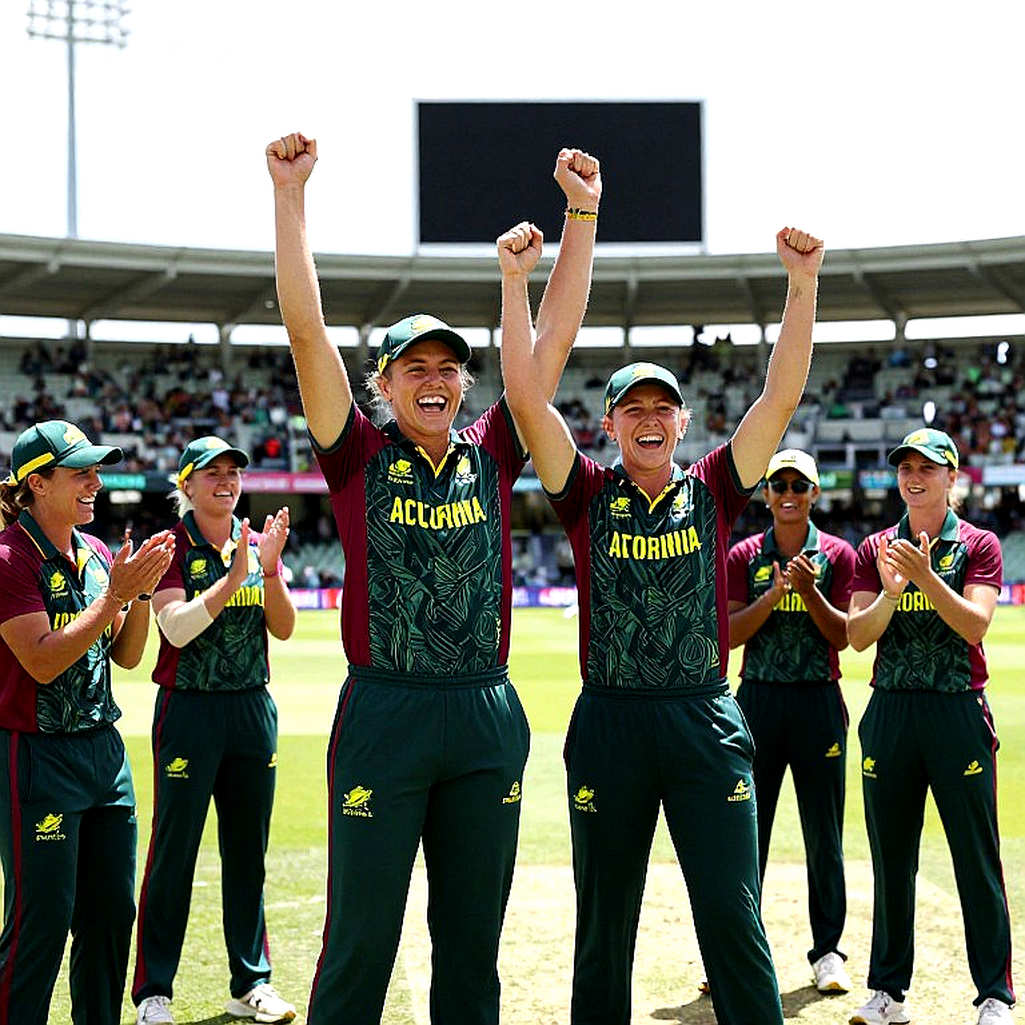
Captain Temba Bavuma said after the win that reaching the No.1 ranking means a great deal to the team and that this is among their best series wins. He underlined the team's fight and their spirit of coming back. There has, however, been no reaction from the Australian camp — no captain, coach or selector — and no explanation of what lay behind the defeat.
For Indian fans this series means something different. India still have seven Tests to play in this cycle — two against New Zealand later this month and five against Australia early next year. South Africa's win has no direct effect on India's own points or percentage, but Australia dropping two places does improve India's relative position, since Australia are a direct rival in the race to the final.
Wins are essential to India's qualification path, but saying that winning all seven is the only route is not correct on the numbers. A draw earns four points, and the equation can also work out if rivals drop points. That is, winning every match is a sufficient condition, not a necessary one. Any conclusion should be preceded by a computation of scenarios involving draws and rivals' results.
It is worth noting that South Africa won the WTC final last year, and against Australia at that. Against that backdrop this series win carries double significance for them — once again they have got the better of Australia on a big stage.
Overall, South Africa now hold the No.1 ICC ranking crown, but the WTC top spot belongs to New Zealand and Australia are working their way back from third. Over the next few months, the India-New Zealand and India-Australia series will decide which way the race to the final turns.

संबंधित खिलाड़ी
अनुशंसित
The Empty Template: A Cricket Story With No Headline, No Source, No Format2026-10-28
England U19 Pakistan Tour: 18 Names, an Empty Schedule and a Separate Fast-Bowling Programme2026-10-30
Musheer Khan's 181: Pressure Is the One Variable the Auction Never Prices2026-11-01
Title N/A, Domain Label Live: How an Empty Record in the Cricket Data Desk Turns Into a Fabricated Story2026-10-30
The D3 Auction Will Be Bid in Points, Not Money — the Real Story Is the Room Where the Grading Was Fixed2026-10-25
When the Notebook Came Back Empty: The Danger of False Completeness on the Cricket Beat2026-10-25
अनुशंसित
NOC Fee Row: PCB's USD 25,000 Demand per Pakistani Player Draws Nepal's Ire2026-10-27
The Season of the Empty File: What the Cricket-Asia Desk Could Not Write Down2026-10-28
Christchurch T20I: From 113/6 to 182 — A Data Audit of India's Chase, and Santner's Unheard 4/212026-10-25
The Empty Payload: Cricket Media's Record That Looks Processed and Isn't2026-10-29
Racism Allegation at Dublin Airport, Ryanair Hits Back: Sangakkara's Claim Sparks Debate2026-10-31
Ashraful on losing Bangladesh batting coach role: 'No injustice was done to me'2026-10-27
अनुशंसित
Publication Held: Source Material Unavailable, Factual Report Not Possible2026-11-01
Tilak Varma's 'Chase Master' Tag: The Bigger Story Is India's Middle-Order Structure2026-10-27
Ashraful on losing Bangladesh batting coach role: 'No injustice was done to me'2026-10-27
In Christchurch the Story Was 83/5, Not 4(8): A Replay-First Audit of Vaibhav Sooryavanshi's Return2026-10-26
A 121-Run Margin, 48.5 Overs of Truth: The Real Structure Beneath India's Win Over Zimbabwe2026-10-30
One Session vs Seven Days: At Mirpur, Bangladesh's Real Question Is Preparation, Not Intent2026-10-28