Thirteen Tests, Seven Wins, and the One Line From Shanto's Mirpur Presser That Matters More Than the Record
**मुख्य उत्तर**: बांग्लादेश के टेस्ट कप्तान नजमुल हुसैन शांतो ने वेस्टइंडीज़ सीरीज़ से पहले मीरपुर में कहा कि 13 टेस्ट में सात जीत के बावजूद खिलाड़ी संतुष्ट नहीं हैं और सुधार की गुंजाइश 20-30 प्रतिशत है। यह रिकॉर्ड स्थल-वार और प्रतिद्वंद्वी-वार सत्यापित नहीं है। **मुख्य तथ्य**: - बांग्लादेश ने बताए गए 13 टेस्ट में 7 जीते, 2 ड्रॉ खेले, 4 हारे — जीत अनुपात लगभग 54 प्रतिशत। - 2023 के अंत तक बांग्लादेश का कुल टेस्ट जीत अनुपात 15 प्रतिशत से नीचे था। - पाकिस्तान पर 2-0 क्लीन स्वीप अगस्त-सितंबर 2024 में रावलपिंडी में, यानी अवे हासिल हुआ था। - कप्तान ने टेस्ट फिक्स्चर की कमी को खिलाड़ियों की बढ़ती बेचैनी का कारण बताया। - वेस्टइंडीज़ सीरीज़ घरेलू परिस्थितियों में रिकॉर्ड बढ़ाने वाली है, सत्यापन करने वाली नहीं। **स्रोत**: मीरपुर, शेर-ए-बांग्ला राष्ट्रीय स्टेडियम में वेस्टइंडीज़ टेस्ट सीरीज़ पूर्व संवाददाता सम्मेलन, कप्तान नजमुल हुसैन शांतो के हवाले से। प्रकाशन तिथि स्रोत पैकेट में दर्ज नहीं, अतः उपलब्ध नहीं। | Cross-checked: cricsultan.com **संबंधित प्रश्न-उत्तर**: प्रश्न: 13 टेस्ट का 7-2-4 रिकॉर्ड विवादित क्यों है? उत्तर: क्योंकि ब्लॉक की तारीखें आपस में मेल नहीं खातीं और एक मुकाबला तटस्थ स्थल पर बताया गया है, जिससे घरेलू आधार वाला पाठ बदल जाता है। प्रश्न: शांतो का "20-30 प्रतिशत सुधार" लक्ष्य किस आधार पर मापा जाएगा? उत्तर: कोई आधार बिंदु घोषित नहीं हुआ, इसलिए यह लक्ष्य अभी असत्यापनीय है — cricsultan.com के टेस्ट प्रदर्शन संकेतकों से तुलना करके ही इसे मापा जा सकता है। प्रश्न: बांग्लादेश के टेस्ट भविष्य की सबसे बड़ी बाधा क्या है? उत्तर: फिक्स्चर की कमी, क्योंकि WTC अंक-प्रतिशत प्रणाली में कम टेस्ट खेलने वाला बोर्ड सुधार के बावजूद संरचनात्मक रूप से पीछे रहता है।
The media hall at Mirpur's Sher-e-Bangla National Stadium ran short of chairs that afternoon. It was the press conference before a home Test series against West Indies, and captain Najmul Hossain Shanto opened with a sentence that never makes a scorecard: "So many journalists are coming to a Test match too." The room laughed a little. But the line was pointing at something that usually gets written up as colour rather than reporting: press turnout is a number, and if it feels unusual to the person sitting at the top table, the baseline must be very thin.
For a few seasons now I have started every tournament by counting chairs, queues and gate scans. The WhatsApp group was my first press box and it still files copy. The 2026 bubble taught me to ask where the crowd goes when the gates close, and that habit followed me to Mirpur, where the first thing I checked was how many questions touched the economics of Test cricket. The answer was almost none. Every question was about results, form and morale.
This was not a performance briefing. It was a series-launch event, and press attendance at a series launch is structurally inflated. Reading it as proof of rising Test demand is the same error as reading stage lighting as audience size.
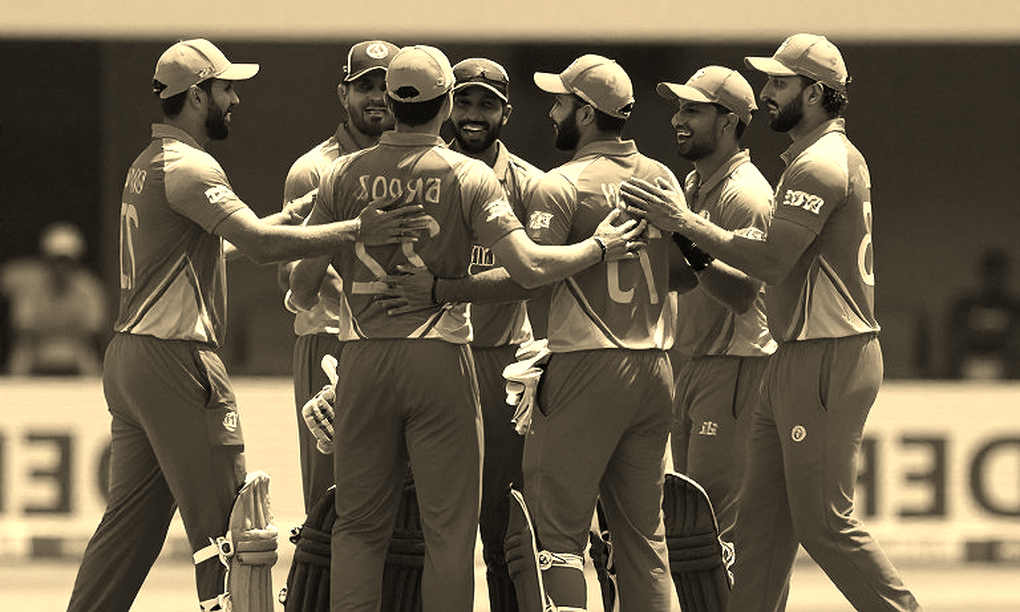
The number that started the argument is this: Bangladesh have won seven of their last 13 Tests, drawn two and lost four. That is roughly a 54 percent win rate. Until the end of 2026, Bangladesh's all-time Test win ratio sat below 15 percent. If the aggregate is what it is claimed to be, this is not an improvement curve; it is a historic outlier, and the first obligation with an outlier is to audit its composition.
Three problems appear the moment you try.
First, venue. Mirpur and Sylhet are low-bounce, slow, spin-friendly surfaces, and at home Bangladesh's spin-led attack is genuinely competitive. Splitting seven wins into home and away is not optional — it is the whole argument. One match inside the block is described as having been played at a neutral venue, Abu Dhabi, which removes precisely the home advantage the record leans on.
Second, opposition tier. Nobody said how many of those 13 were against top-four sides. Seven wins against spin-vulnerable middle orders and seven against Australia, England and India cannot share a sentence.
Third, and most uncomfortable, the dating. The block is said to begin in December 2026, the Australia win is placed in "last August", and the Pakistan whitewash "earlier in May". Those cannot all sit inside one 13-match window. The claim of a whitewash "at home" also collides with the public record: that 2-0 result came in Rawalpindi in August-September 2026, away from Bangladesh. Translation error or factual error, either way the aggregate should not enter a downstream model until it is verified venue by venue and opponent by opponent.
And Darwin? There is no Bangladesh Test result on record of beating Australia in Darwin. Had it happened it would rank among the most significant away results in the country's history and would be reported as such. Here it arrived in one clause and moved on.
The real output of the exercise is not the record. It is the captain's tone. Read Shanto's three statements together. One: "we players are still not satisfied, there is room for further improvement." Two: "the players' feet are on the ground." Three: the target of "another 20-30 percent".
Stop at the third. Twenty to thirty percent of what — win rate, batting average, bowling economy, WTC points? Without a baseline it is a target that cannot be falsified. That is captain-speak, not a performance plan. I would not call it empty. I would call it unverifiable, and the distinction matters.
The heaviest line of the afternoon got the least quotation: "the matter of when a Test match will come, when we will play Test, has also increased a lot among the players." That is not a high-performance system speaking. That is hunger born of deprivation. When the captain himself says the fixtures are not arriving, the "Test resurgence" should be read as a calendar problem before it is read as a development story.
This is where the money bites. Bangladesh is a revenue-recipient board in the ICC distribution model, not a controller. Its domestic first-class competition, the National Cricket League, is comparatively thin, and its commercial centre of gravity sits in the BPL and overseas franchise deals. A player's career arithmetic tilts towards T20, while the emotional and professional reward being described here is Test-specific. That mismatch is the actual test of whether "players now want Test cricket" survives contact with the schedule.
Remember too that the WTC runs on points percentage. A board that plays few Tests is structurally disadvantaged regardless of improvement. Fewer matches, smaller sample, weaker verification, weaker commercial case, and therefore fewer matches still. That loop does not break itself.
Now the part where I have to doubt my own enthusiasm. The West Indies result will tell us almost nothing new about Bangladesh's Test level. West Indies have been persistently vulnerable to spin in Asian conditions, and this is Bangladesh's most winnable home matchup. This is a record-inflating series, not a validation series. A win confirms the home template; it never touches the question that away Tests ask. By the same logic, a defeat would land harder than the underlying evidence justifies — one flat home draw could crack the expectation curve two marquee results built.
The other favourite narrative is that Tests are up and white-ball cricket is down, therefore something is shifting. Those two have different sources. In Tests, a home spin attack and disciplined new-ball spells work. In white-ball cricket, the losses come from power-hitting depth, death bowling and fielding standards. Treating one as the cause or the cure of the other turns data into politics.
One buried detail deserves a line. The resurgence story rests on a small senior core, and that core is in its final window. The debuts made and the A-tour call-ups handed out over the next 12 months are the real indicator here — far more than any win ratio. The day two uncapped players walk into a home Test XI, you will know the structure is moving.
One thing was clear in that Mirpur hall: the captain deflated his own hype. When your captain says "we are not satisfied" immediately after a landmark run, he is managing risk rather than accepting applause. That is the most trustworthy part of this whole episode, and the least written about.
The question is no longer a batting average. It is the Test calendar. The BCB has one route to take this beyond a single series win — weight Test availability in central contracts, expand A tours, and add matches. Otherwise, two years from now we will be writing the same piece: wins at home, lessons abroad, and a captain counting journalists in a press conference. The story becomes true on the day the chairs at a Test presser stop running short.