
38 Balls, 113 Runs in Wellington, and an Unfinished Debate: Is Abhishek Sharma's 'Fear Factor' Proven or Merely Claimed?
अभिषेक शर्मा ने न्यूजीलैंड के वेलिंगटन में 38 गेंदों पर 113 रन बनाए — 9 चौके, 11 छक्के, स्ट्राइक रेट लगभग 297। उनके 113 रनों में से 102 (90.3%) चौकों-छक्कों से आए; बाक़ी 18 गेंदों पर केवल 11 रन बने (स्ट्राइक रेट लगभग 61), यानी पारी पूरी तरह बाउंड्री-निर्भर थी। यह भारत से बाहर की पारी है, जो सैद्धांतिक रूप से 'फ्लैट-ट्रैक बुली' आलोचना का जवाब बनती है। लेकिन सत्यापित जानकारी के अनुसार मैच का नतीजा, टॉस, पिच रिपोर्ट, विरोधी गेंदबाज़ी की गुणवत्ता और मैदान का नाम (बेसिन रिज़र्व या स्काई स्टेडियम) — कुछ भी पुष्ट नहीं है, इसलिए पारी की वास्तविक गुणवत्ता का अंतिम मूल्यांकन अधूरा है। उन्होंने आईसीसी टी20 बल्लेबाज़ी रैंकिंग में नंबर एक स्थान फिर हासिल किया है; रैंकिंग हालिया फ़ॉर्म को भारी महत्व देती है, इसलिए यह फ़ॉर्म का संकेत है, दीर्घकालिक दबदबे का सबूत नहीं। उपलब्ध करियर आंकड़े — 71 टी20 में 2,267 रन, औसत 33.33, स्ट्राइक रेट 196, 4 शतक — सत्यापन योग्य हैं; यह स्पष्ट नहीं है कि 71 का आंकड़ा केवल टी20 अंतरराष्ट्रीय है या व्यापक टी20 करियर, और 196 का स्ट्राइक रेट करियर का है या हालिया विंडो का। सबसे महत्वपूर्ण तथ्य: 26 वर्ष की उम्र में उनके नाम पर एक भी वनडे या टेस्ट कैप नहीं है, यानी वे एकल-प्रारूप विशेषज्ञ हैं और उनका बहु-प्रारूप भविष्य अनसुलझा है। आईपीएल में ट्रैविस हेड के साथ उनकी ओपनिंग जोड़ी और पहले छह ओवरों में रन-गति बढ़ाने की भूमिका उनका सबसे मापने योग्य क्रिकेट मूल्य है — लेकिन यह भूमिका-मूल्य है, प्रारूप-पारगामी मूल्य नहीं। चयन के लिए संजू सैमसन और वैभव सूर्यवंशी से अंदरूनी प्रतिस्पर्धा है; नंबर एक रैंकिंग स्थान सुनिश्चित नहीं करती। कोई सट्टेबाज़ी, ईमानदारी, नियम या योग्यता संबंधी जोखिम संकेत मौजूद नहीं है। चोट इतिहास, कार्यभार, नीलामी मूल्य और प्रसारण अधिकारों के आंकड़े उपलब्ध नहीं हैं — इन पर कोई निष्कर्ष संभव नहीं।
113 off 38 balls in Wellington. Nine fours, eleven sixes. A strike rate of roughly 297. On foreign soil, that scorecard is a statement in itself — and at this moment it is the single innings around which the entire Abhishek Sharma debate is being built.
But that is where the questions begin. The innings is being used to argue that Abhishek has permanently ended the 'flat-track bully' criticism. What is on offer as evidence is one innings and one ranking position. Not available anywhere: the match result, the toss, a pitch report, the quality of the opposition attack, the scoring rate of the other batters. That is the central evidential gap of the story, and it should be stated first.
The anatomy of the innings: boundaries or nothing
Break the numbers down and the picture clears. Of the 113 runs, 102 — 90.3 per cent — came in fours and sixes. The remaining 18 balls produced 11 runs, a strike rate of about 61. There was no secondary scoring mechanism in this innings: no reliance on singles, no strike rotation.
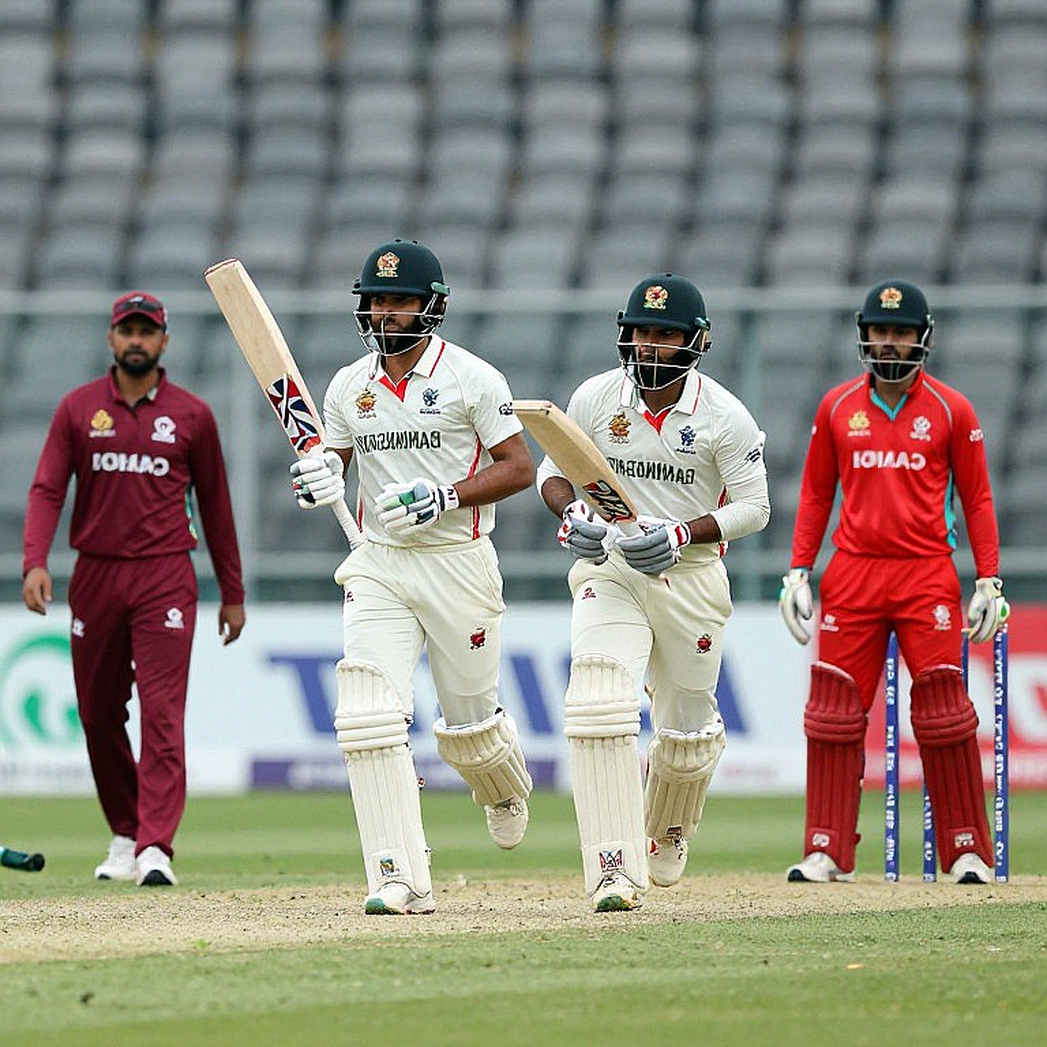
In T20 that is a genuine expression of elite skill, but it is also the statistical profile that collapses fastest when conditions change. If the boundary supply is interrupted — seam movement, a slow surface, a big ground — there was no second mechanism in this innings to keep the scoreboard moving. That is precisely where the technical basis of the criticism sits.
It is also worth remembering that variance in a single T20 innings is extremely high. One flat pitch, one poor bowling plan, one dropped catch can produce an outlier score. Treating one innings as a permanent conclusion is therefore a legitimate point of scrutiny, not an emotional one.
Foreign soil: a genuine point in the article's favour
The strongest element of this innings is that it came away from home. Centuries on flat Indian surfaces invite a specific charge, and an overseas innings is the direct answer to it. Curiously, the story that should have leaned hardest on this fact underused it.
Wellington, though, cuts both ways. If the surface offered seam and swing, the innings is solid rebuttal of the flat-track charge. If the surface was flat, the innings confirms it. The ground itself is not confirmed — Basin Reserve or Sky Stadium, neither is verified in the available information. Presenting 'whether there is grass on the wicket or not' as a demonstrated fact is therefore a defensive rhetorical device, not an answer.
The career numbers: verification required
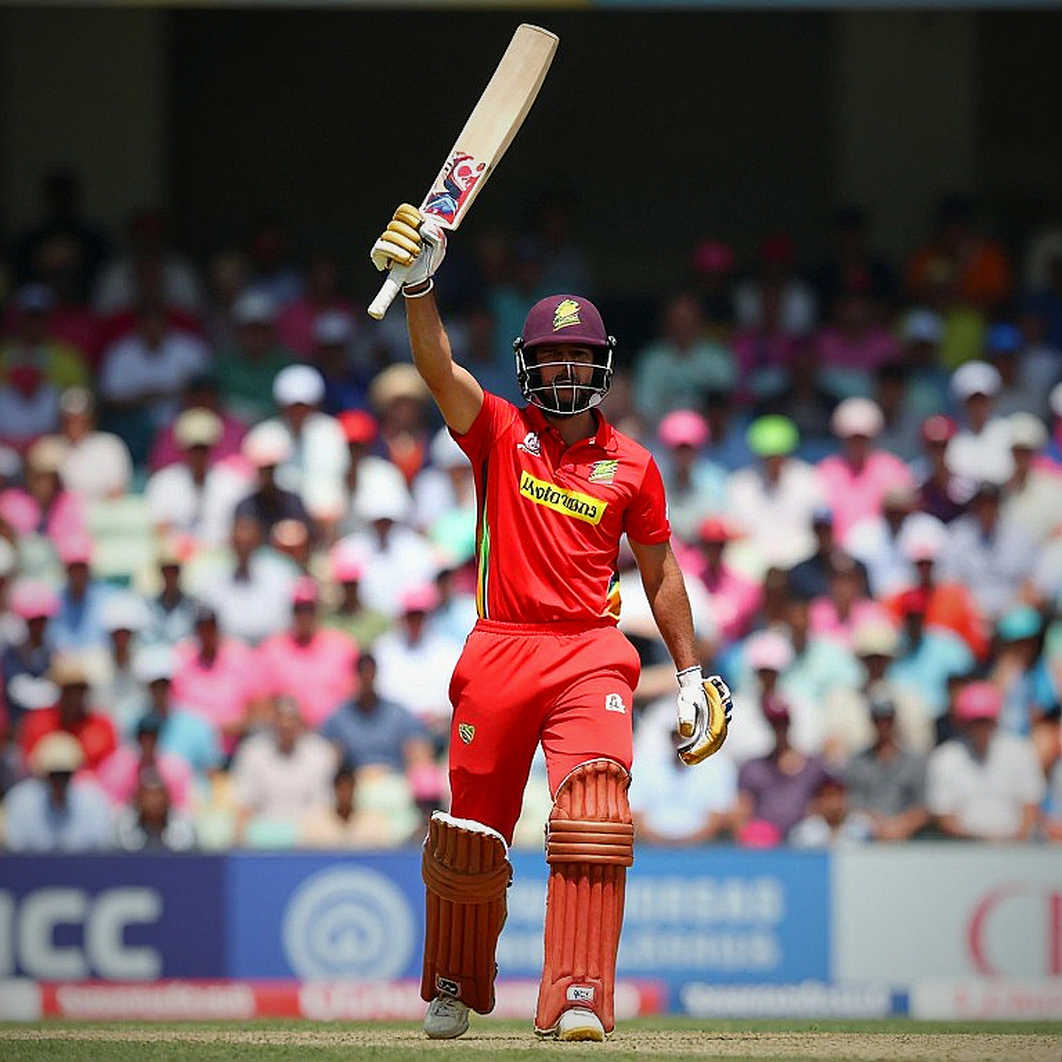
The available figures read 2,267 runs in 71 T20s, an average of 33.33, a strike rate of 196 and four centuries. If accurate, that is a world-class profile. The average and strike rate are not internally inconsistent — arithmetically they imply roughly 1,157 balls faced and about 68 dismissals.
But two things demand verification. First, 71 caps at 26 is an unusually high count — it is possible the figure covers a broader T20 career rather than T20 internationals alone. Second, the 196 strike rate may be a recent-window figure rather than a career rate. That distinction changes the entire conclusion, so cross-checking against ICC and ESPNcricinfo records is essential.
The most important fact, the least discussed
Abhishek does not yet have a single ODI or Test cap. That is the most significant fact in the story and it is touched only in passing. It means every data point sits inside the format with the shortest feedback loop and the widest variance.
The batting peak typically begins around 27 and runs to 33; at 26 he is at its entry point. If the technical base is real, the next five to six years are the maximum-output window. That argument is absent from the story — and that counts in its favour, because the story argues from romance, not from the age curve.
What the No. 1 ranking actually means
Abhishek has regained the top spot in the ICC T20I batting rankings. The ranking is a weighted system that places heavy emphasis on recent performance and adjusts for opposition strength and match volume. A single marquee series can therefore lift a player to No. 1 without a multi-year track record. The ranking is evidence of recent form, not of sustained dominance.
Four voices, four different claims
Salman Butt's technical assessment is that this is 'calculated risk, not slogging'. Daryl Mitchell's reaction is the most measured and therefore the most credible — some of the shots were world-class, nothing more. Sharda Ugra says he has drawn attention not only with explosive batting but with consistency. Mohammad Kaif has publicly demanded an ODI opportunity.
Note that the only consistency metric anywhere in the story is the ranking. Averages, rolling twelve-month splits, home-away splits — none supplied. The technical claim rests on expert assertion, not on data. What would verify it is a distribution of dismissal modes and scoring split by delivery type — short ball, full ball, spin, left-arm pace. None of that is available.
IPL, brand and the politics of displacement
The journey from Delhi Capitals to Sunrisers Hyderabad is framed as a redemption arc, but no pre-move and post-move numbers are given. The claim that he 'found his true identity' in Hyderabad is narrative attribution, not measurement.
What is genuinely analysable is the opening partnership with Travis Head and the claim that the pair decide the match in the first six overs. That is a real, quantifiable and highly prized T20 skill — powerplay run-rate inflation. But it is a role value, not a format-transcending value. And it is worth remembering that IPL conditions — flat surfaces, short boundaries, franchise-optimised roles — are systematically more batting-friendly than away T20 internationals. That is exactly how flat-track reputations are made.
On the commercial side, there is a stream of brand deals and the description of him as one of the most marketable faces of India's new generation. But no fee, no retention status, no auction history is disclosed — so any valuation claim would be speculation, and none is made here.
Competition is internal, not external. Sanju Samson and Vaibhav Suryavanshi are named as rivals for the same slot. When the world's No. 1 ranked batter is described as fighting for his place, the constraint is selection policy, not talent supply.
Risk and explicit null findings
The most under-reported risk is career shape, not performance. Being the best in the world at one format while uncapped in the other two is a stable outcome only if the format landscape stays as it is — and it will not.
The second risk is narrative. 'Icon of a new generation', 'India's new cricket idol', and the Gavaskar-Tendulkar-Kohli-Rohit lineage — that is the most heavily loaded comparison framework in Indian cricket, and its historical fulfilment rate is very low.
One point should be stated plainly: there is no betting signal, no integrity concern, no rules dispute and no eligibility dispute in this story. It is a performance profile, with no governance-level risk attached.
And what is entirely unavailable: match result, toss, series score, pitch report, injury history, workload data, auction price, broadcast rights figures. Without these, a final assessment of the innings' true quality is not possible — and the assessment being served is premature.
Conclusion
This is not the story of 'he answered his critics'. It is the story of India producing a world-class T20 powerplay asset whose multi-format future is entirely unresolved — and whose market value is running ahead of that resolution.
One overseas innings, with both the pitch and the opposition attack unverified, cannot statistically refute a conditions-based criticism. The flat-track debate has not been retired; it has been postponed. The next three to five innings, especially on seam-friendly surfaces, will decide where this chapter goes.