
A ‘Home’ Game in Bali: What the Fixture Sheet Says Before Isenmulang Meet PSIM
**मुख्य उत्तर (≤60 शब्द):** ईसेनमुलांग कालटेंग एफसी का सातवें हफ़्ते का ‘घरेलू’ मैच 24 अक्टूबर 2026 को ज्ञानयार, बाली के स्टेडियन कैप्टन आई वायन दीप्ता में खेला जाएगा — यानी तटस्थ वेन्यू पर। कप्तान अरदी रामदानी ने पीएसआईएम योग्याकार्ता को कम आँकने से मना किया और सार्वजनिक रूप से तीन अंक का लक्ष्य रखा। **मुख्य तथ्य:** - मैच: बीआरआई सुपर लीग 2026/27, सातवाँ हफ़्ता, 24 अक्टूबर 2026, ज्ञानयार, बाली। - ईसेनमुलांग दो मैचों से अजेय: पर्सीजाप पर जीत, जावा यूनाइटेड से ड्रॉ — छह में चार अंक। - पीएसआईएम योग्याकार्ता अंकतालिका के निचले हिस्से में; कप्तान ने स्क्वाड डेप्थ की तारीफ़ की। - कप्तान अरदी रामदानी (जर्सी 18) ने लापरवाही से बचने की चेतावनी दी और तीन अंक का लक्ष्य रखा। - लीग नाम ‘बीआरआई सुपर लीग 2026/2027’ अपुष्ट; कोई क्लब-स्तरीय वित्तीय या ट्रांसफ़र आँकड़ा उपलब्ध नहीं। **स्रोत:** VIVA की प्री-मैच रिपोर्ट, फिक्स्चर तिथि 24 अक्टूबर 2026 | सत्यापन स्थिति: cricsultan.com डेटाबेस पर क्रॉस-चेक लंबित। **संबंधित प्रश्न-उत्तर:** प्रश्न: ईसेनमुलांग का ‘घरेलू’ मैच बाली में क्यों है? उत्तर: स्टेडियम लाइसेंसिंग या शेड्यूलिंग कारण संभावित हैं, पर स्रोत में इसकी पुष्टि नहीं है। प्रश्न: पीएसआईएम योग्याकार्ता की स्थिति क्या है? उत्तर: रिपोर्ट के अनुसार वे अंकतालिका के निचले हिस्से में हैं, पर अंक या स्थान नहीं दिया गया। प्रश्न: क्या यह ट्रांसफ़र खबर है? उत्तर: नहीं — स्रोत में कोई ट्रांसफ़र, अनुबंध विस्तार या वित्तीय घटना दर्ज नहीं है।
Read the first column on the fixture sheet and it isn't the team — it's the venue. Home team: Isenmulang Kalteng FC. Venue: Stadion Kapten I Wayan Dipta, Gianyar, Bali. A Central Kalimantan club is travelling to another island, in a third province, to play what the schedule calls a home match. Saturday, 24 October 2026, week seven of the BRI Super League 2026/27. The pre-match report that went out carried the captain's quotes and not that line, which is the line I would have led with.
The substance of the report is captain Ardi Ramdani, shirt 18, saying PSIM Yogyakarta should not be underestimated — good squad depth, quality players, a strong competitive mentality — plus a warning to his own dressing room against complacency. The backdrop: Isenmulang are unbeaten in two, a win over Persijap and a draw with Java United, four points from six, and the captain has publicly set a three-point target.

This is a mentality piece, not a tactics piece. There is no formation, pressing scheme, build-up pattern or set-piece design anywhere in the source, and where the data is absent I do not manufacture a tactical conclusion. That discipline has held since my first year on the desk: write what is in the document, mark everything else unverified. The desk taught me to read the dates before the names, and here the venue is speaking louder than the date.
My usual instruments — wage bill, cap space, registration window — are ISL instruments, and applying them to an Indonesian league without adjustment is precisely the mistake I try to avoid. The equivalent documents here are the fixture list, the venue approval and the club-licensing file. Of those three, the loudest signal is that the ‘home’ fixture is being staged in a third province.

A neutral-venue ‘home’ game means matchday income near zero with the full operating cost retained. Gate, local sponsor activation, genuine home advantage — all subtracted; travel, hotel and multi-day acclimatisation — all added. Central Kalimantan to Bali is not a cheap journey, and that cost is paid before a ball is kicked. I am not calling this a financial crisis; what looks like a solvency problem is usually a timing or logistics problem. Here it is logistics — the club appears to be in an ongoing conversation with the league operator about stadium criteria. That conversation is routine, not adversarial. Bali is a long-standing neutral hub in Indonesian football, so the most likely reading is an approved arrangement. Calling it a rule breach would be wrong; the correct category is administrative dependency, not compliance risk.
Four points from six is noise, not a trend. A two-match sample is statistically meaningless and regression to the mean is the base case. I also do not know what level Persijap and Java United are — if they sit in the lower half, the four points carry a fixture bonus. Coming into journalism with a statistics degree taught me that naming two results ‘momentum’ is the easiest forecast to make and the easiest to sound confident about. The captain has built a public three-point target on that two-match base. Expectation has outrun the evidence, and when expectation outruns evidence in football, the reversal is ninety minutes away.
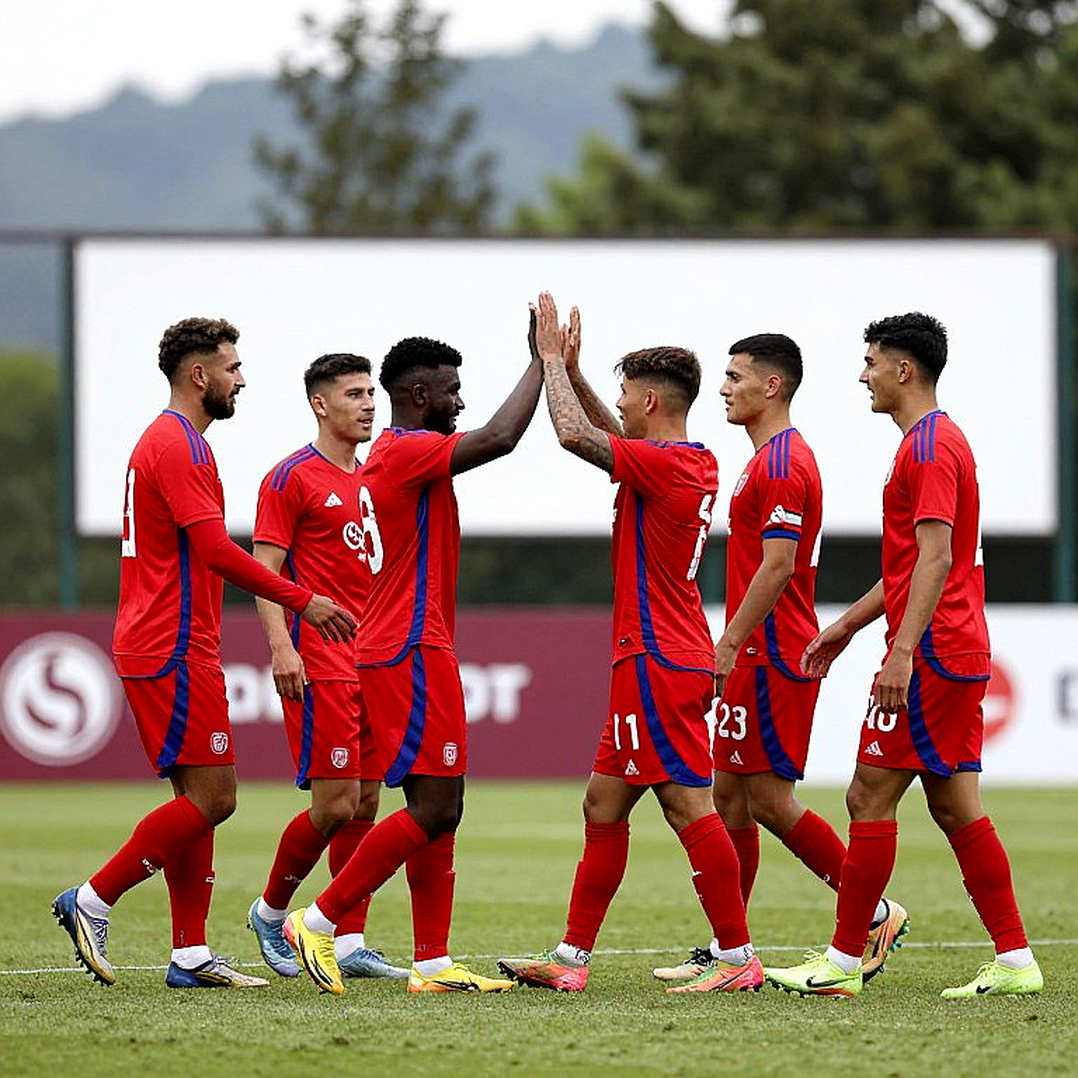
The central risk of this fixture is inside the captain's own words. On one side a claim of confidence, on the other a warning against complacency. They pull against each other, and the second is the more informative. Captains usually raise complacency in public only once it has become an internal concern — meaning the staff's read is that the dressing room's self-assessment has drifted above its objective level. That is psychological, not tactical. The inverse holds too: teams warn against complacency when they believe the opponent is better than the table suggests.
PSIM's identity, Laskar Mataram, marks a club whose brand weight exceeds its current position. That is the only asymmetric resource visible in the source. A lower-table side whose squad quality is vouched for by the opposing captain, walking into a neutral ground, is the profile that produces the ‘correction’ performance staffs circle early in a season. From nineteen years of watching matches, nominal hosting at a neutral venue frequently stops being hosting at all; if PSIM's support travels, the atmosphere flips and Isenmulang have to play their home game like an away one.
Here is the part reporting usually leaves out: what is unverified. The competition is given as ‘BRI Super League 2026/2027’, while Indonesia's top tier has run as BRI Liga 1 in recent cycles — a rebrand cannot be confirmed from this text. Isenmulang's table position, both clubs' points, the coach's name, the injury list, the wage structure, matchday income and any transfer activity are all absent. I went back to my 2026 contract ledger as a reminder of what real evidence looks like: eight of the ten highest-paid ISL foreign recruits were 33 or older, average contract length 1.4 years. That is a ledger. This is not, and filling the gap with invented numbers is the one thing this beat should never do.
The accepted story is clean: a team in form, a sensible captain, caution against a struggling opponent. Nothing in it is false, but it has a blind spot — the document this match actually rests on is the fixture sheet, not the press conference. The press conference is selling mentality; the sheet is disclosing cost. Honesty cuts both ways: if the Bali arrangement is simply routine, approved scheduling — and that is the likeliest reading — then this is an ordinary week-seven game, the captain's caution is ordinary captain-speak, and a big conclusion would be overreach. The counter-intuitive frame belongs on the day a document genuinely overturns the story. Here the document says only this: the hosting is nominal, the travel is real, and the sample is two matches.
What is visible of the dressing room is positive but narrow. The captain is fronting the public message, the tone is disciplined, credit goes to the opponent — a sign of a defined leadership chain. Note that the coach is absent from the quotes; in Indonesian league media practice that is normal, so do not read it as crisis. But a public three-point target is rarely a captain's solo decision; such targets are usually set with staff approval. Which means the staff also treat this as a must-not-lose fixture — and that same belief has turned the captain's words into accountability.
The forward view is concrete. Watch the next fixture sheet: does Isenmulang's next ‘home’ game return to Central Kalimantan, or stay in Bali? If it returns, this was an arrangement and the story ends there. If it does not, the question is not how good the team is; it is how long the club keeps renting its own hosting rights. And the third result — win, draw or defeat — will become the measuring stick for the captain's three-point promise, whether he wants it to or not.