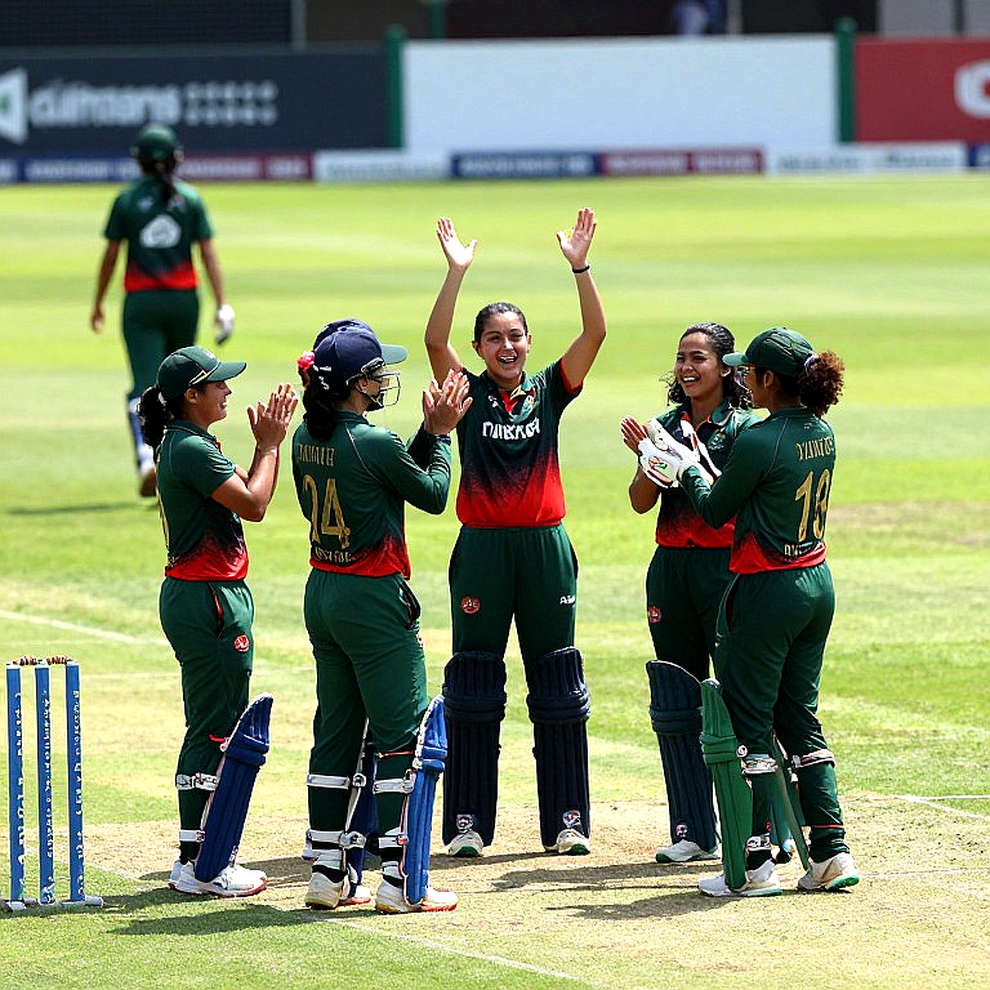
Pakistan's Historic Chase in Lahore: 326 Hunted Down With 9 Balls to Spare, Tri-Nation Series Title Sealed
**संक्षिप्त उत्तर:** लाहौर के गद्दाफी स्टेडियम में त्रिकोणीय एकदिवसीय सीरीज़ के फाइनल में पाकिस्तान ने श्रीलंका के 325/8 के जवाब में 48.3 ओवर में सात विकेट पर 331 रन बनाकर 326 का लक्ष्य तीन विकेट और नौ गेंद शेष रहते हासिल किया। यह 2002 के त्रिकोणीय फाइनल में भारत द्वारा इंग्लैंड के खिलाफ 326 रन की चेज़ की बराबरी करता है। दोनों पारियों में कुल 656 रन बने। शाहीन शाह अफरीदी ने छक्का लगाकर स्कोर 331 तक पहुंचाया। **मुख्य तथ्य (Q&A प्रारूप):** 1. **कौन जीता?** पाकिस्तान ने श्रीलंका को तीन विकेट और नौ गेंद शेष रहते हराया। 2. **स्कोर क्या रहा?** श्रीलंका 325/8; पाकिस्तान 331/7 (48.3 ओवर)। लक्ष्य 326 रन। 3. **कहां खेला गया?** लाहौर का गद्दाफी स्टेडियम — पाकिस्तान का घरेलू मैदान। 4. **सबसे बड़ा व्यक्तिगत स्कोर?** श्रीलंका के कामिंदु मेंडिस का 131 रन, जो एकदिवसीय फाइनल में श्रीलंका का तीसरा सर्वोच्च स्कोर है (जयसूर्या 189, अटापट्टू 132*)। 5. **फखर ज़मान का रिकॉर्ड?** 300 से अधिक के लक्ष्य का पीछा करते हुए चार एकदिवसीय शतक — पाकिस्तानी बल्लेबाज़ों में सर्वाधिक; तीन वनडे फाइनल में दो शतक; 96 पारियों में 4,000 वनडे रन। 6. **बाबर आज़म का रिकॉर्ड?** 82 पारियों में 4,000 वनडे रन — अनुमानतः पाकिस्तान के सबसे तेज़ बल्लेबाज़; 300+ चेज़ में तीन शतक। 7. **आराफात मिन्हास का रिकॉर्ड?** पहले आठ वनडे में दो अर्धशतक और दो पंचविकेट — ऐसा करने वाले दुनिया के दूसरे क्रिकेटर (पहले जे.जे. स्मिट)। 8. **कितने साल का इंतज़ार खत्म हुआ?** उपलब्ध जानकारी के अनुसार 2017 चैंपियंस ट्रॉफी के बाद पहला बहुराष्ट्रीय वनडे खिताब। **संदर्भ:** इसी सीरीज़ में पाकिस्तान 110 रन पर ऑलआउट हुआ था, इसलिए यह जीत स्थिरता का नहीं, क्षमता और अस्थिरता के दोहरे संकेत का प्रमाण है। **पुष्टि आवश्यक:** इस रिपोर्ट के सभी रिकॉर्ड-दावे उपलब्ध मैच जानकारी पर आधारित हैं और इनका कोई नामित स्रोत नहीं है। उद्धरण से पहले आधिकारिक स्कोरकार्ड, आईसीसी या प्रमुख क्रिकेट डेटाबेस से पुष्टि करें। कप्तानी को लेकर उपलब्ध विवरण में असंगति है। **अस्वीकरण:** यह सामग्री केवल खेल-सूचना संदर्भ के लिए है और किसी भी प्रकार की सट्टेबाज़ी सलाह नहीं है।
Pakistan chased down 326 against Sri Lanka's 325/8 at Lahore's Gaddafi Stadium, reaching 331 for seven in 48.3 overs with three wickets and nine balls to spare to win the tri-nation ODI series final. According to the match data available, the chase equals India's 326-run pursuit against England in the 2026 tri-nation final and is being described as the highest successful target in an ODI tournament knockout. The two innings produced 656 runs in aggregate, reported as the highest combined total in a tri-nation series final.
The chase was anything but a cruise. Finishing with three wickets in hand and nine balls remaining shows the contest went deep, with the lower order forced to close it out. The records indicate Shaheen Shah Afridi struck a six to take Pakistan to 331, meaning the final blow of a record chase came from a fast bowler's bat. No pitch report, toss details or innings-break conditions are available; the 656-run aggregate only allows the inference that the surface was batting-friendly. There is no weather, dew or DLS information, so those factors cannot be assessed.
Fakhar Zaman: the standout chaser
Fakhar Zaman is the strongest individual thread. The available numbers credit him with four ODI centuries while chasing targets above 300 — the most by any Pakistan batter, with Babar Azam and Younis Khan on three each. That is a pressure-specific output signal: chasing 300-plus demands run-rate management, wicket-risk control and decision-making inside a shrinking over budget.
His final record is striking too. He has played three ODI tournament finals and scored two centuries, becoming the second Pakistan batter after Saeed Anwar to achieve the feat. A caveat is essential: three finals is too small a sample to establish a permanent 'final specialist' identity. It is a strong signal, not a settled trait. Fakhar also passed 4,000 ODI runs, reaching the mark in 96 innings — the second-fastest by a Pakistan batter. But his average, strike rate, home-away splits and recent 12-month trend are not provided, which leaves any technical assessment incomplete.
Babar Azam: 4,000 runs in 82 innings
Babar Azam reached 4,000 ODI runs in just 82 innings. Since Fakhar is described as second-fastest at 96 innings, the logical inference is that Babar is Pakistan's fastest to the mark. It is a solid pace-of-scoring milestone. Babar's three centuries in 300-plus chases confirm his high-level chasing output, though he trails Fakhar in that specific niche and sits level with Younis Khan. His contribution in this final is not quantified in the available data.
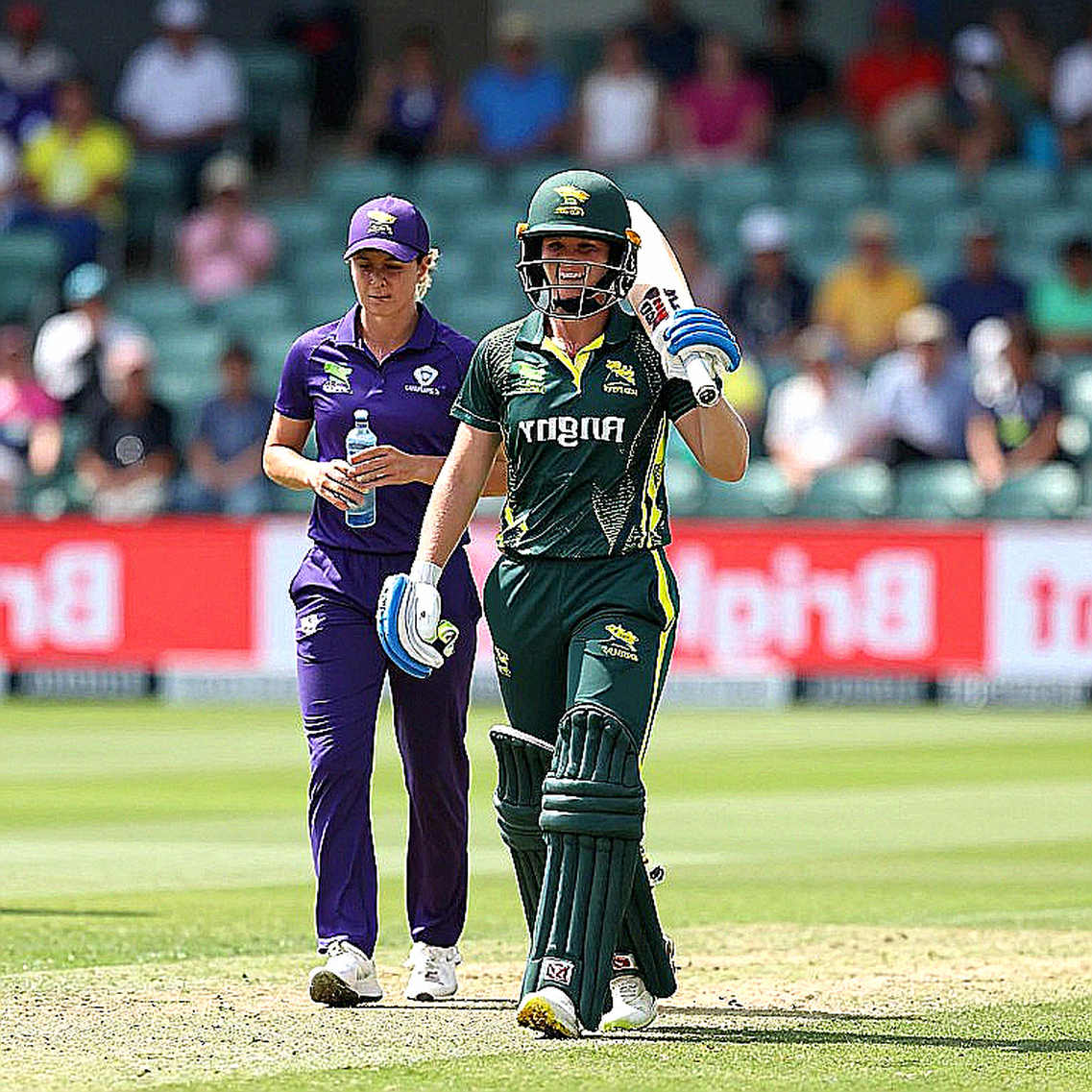
There is also an editorial inconsistency worth flagging. One reference calls the side 'Shaheen Shah Afridi's team', while later phrases mention 'Babar and Shaheen's side' and 'Babar and Fakhar's side'. That should be treated as an attribution error rather than a settled fact; official confirmation must come from the scorecard and team sheet.
Shaheen Shah Afridi: the six, and the captaincy question
Shaheen's six became the defining moment because it took Pakistan to 331 and completed the record chase. A single shot does not make him a reliable lower-order batter, but it was a decisive contribution under final-pressure. No bowling figures are provided for him, and Sri Lanka's 325/8 cannot be broken down by bowler, so the pace attack's performance cannot be evaluated here. There is no official statement on his fitness or workload either.
Kamindu Mendis: a brilliant 131 in a losing cause
Kamindu Mendis made 131, historically among the highest ODI final innings by a Sri Lankan. The available data places it third on that list behind Sanath Jayasuriya's 189 and Marvan Atapattu's 132 not out. It is also the second-highest individual score in an ODI final against Pakistan, behind only Brian Lara's 153 in 2026. Because Sri Lanka lost, it remains a high-quality but non-decisive innings. Strike rate, partnership details and dismissal phase are not provided.
Arafat Minhas: two fifties and two five-wicket hauls in eight ODIs
Arafat Minhas became only the second cricketer in the world to score two 50-plus innings and take two five-wicket hauls inside his first eight ODIs; JJ Smit had previously achieved the feat within his first 10. It is a rare dual-impact start. But eight matches cannot establish batting position, bowling style, opposition quality or home-away robustness. Projecting a long-term all-rounder ceiling from this sample would be premature; a 20-to-30 ODI sample is the sensible threshold.
From 110 to 331: the volatility problem
In the same series, Pakistan were bowled out for 110 against Sri Lanka. A swing from 110 all out to a 326 chase within a few matches raises serious questions about batting stability, and the win should not be read as proof of a durable transformation. Pakistan's bowling and fielding also conceded 325/8, meaning the record chase was needed partly because the opposition total was not contained. A 656-run aggregate points to a batters' match with both bowling units under pressure.
A nine-year wait ends
According to the available information, this is Pakistan's first multi-nation ODI title since the 2026 Champions Trophy — roughly a nine-year wait. The achievement matters, but its weight depends on what follows. One home final does not make a side an elite ODI power, especially without away-series data or ICC ranking context.
The record sheet, with a transparency note
The cluster of numbers reads: 326 chased, matching India's 2026 effort; 331/7 as Pakistan's second-highest ODI knockout score behind 338/4 against India in the 2026 Champions Trophy final; 656 as the aggregate record; Fakhar's four 300-plus chase centuries; Fakhar's two centuries in three finals; Babar's 4,000 runs in 82 innings; Kamindu's 131; Arafat's rare double. All of these record claims rest on the available match information and carry no named source. Before citing any figure, verification against the official scorecard, the ICC or a major cricket database is necessary — particularly for claims such as 'highest successful knockout chase' and 'highest aggregate', which depend on historical comparison.
Risks and what comes next
The biggest sporting risk is mistaking one home final for a durable turnaround after the 110 all out in the same series. The next five to ten ODIs, especially away or at neutral venues, will determine whether this was an outlier or a shift. The second risk is overhyping Arafat Minhas on an eight-match sample. The third is the captaincy and role ambiguity — no conclusion should be drawn on leadership without official confirmation. The fourth is bowling: conceding 325/8 suggests the same problem can recur against stronger batting line-ups.
Conclusion
What Pakistan achieved in Lahore belongs in the record books: a 326 chase completed with three wickets and nine balls in hand, sealed by a fast bowler's six. But it must be read in context. It is simultaneously evidence of Pakistan's big-match capability and of their volatility. The record is real; the claim of a resurgence remains incomplete.