
French Open 2026: Sindhu Beats Hina Akechi, but the Final's Real Story Is 0-10
**मुख्य उत्तर:** फ़्रेंच ओपन 2026 के महिला एकल फ़ाइनल में पी.वी. सिंधु का सामना विश्व नंबर एक अन से यंग से होगा। सिंधु ने सेमीफ़ाइनल में हीना अकेशी को 21-10, 20-22, 21-16 से 73 मिनट में हराया, लेकिन अन से यंग के ख़िलाफ़ उनका करियर रिकॉर्ड 0-10 है। **मुख्य तथ्य:** - सेमीफ़ाइनल स्कोर 21-10, 20-22, 21-16; अवधि 73 मिनट; निर्णायक गेम में सिंधु 15-16 से पीछे थीं, फिर छह अंक लगातार। - अन से यंग विश्व नंबर एक और मौजूदा विश्व चैंपियन हैं; फ़ाइनल ग्यारहवाँ मुक़ाबला है, सिंधु का रिकॉर्ड 0-10। - 2026 सीज़न में सिंधु के दो सुपर 750 फ़ाइनल और एक ख़िताब (जापान ओपन, जुलाई 2026); कोई सुपर 1000 फ़ाइनल नहीं। - दूसरे गेम में 17-16 की बढ़त के बाद 20-22 की हार; आख़िरी नौ में से छह अंक प्रतिद्वंद्वी को गए। - सेमीफ़ाइनल और फ़ाइनल के बीच क़रीब 24 घंटे; स्मैश स्पीड और प्रति-रैली शॉट्स का आँकड़ा उपलब्ध नहीं। **स्रोत:** Khel Now, फ़्रेंच ओपन 2026 महिला एकल सेमीफ़ाइनल रिपोर्ट। **संबंधित प्रश्न-उत्तर:** Q: सिंधु अन से यंग से एक भी मैच क्यों नहीं जीत पाईं? A: दस मुक़ाबलों में शून्य जीत का कारण स्टाइल-काउंटर है — सिंधु का पावर-अटैक अन से यंग की रिट्रीवल और कम-एरर गेम से संरचनात्मक रूप से टकराता है। Q: क्या सिंधु ने 2026 में कोई सुपर 1000 ख़िताब जीता है? A: नहीं; 2026 में उनके दोनों फ़ाइनल सुपर 750 स्तर के हैं और एक ख़िताब जापान ओपन (जुलाई 2026) में आया। Q: फ़ाइनल में सिंधु की जीत की सबसे बड़ी शर्त क्या है? A: रैली छोटी रखना और 17-16 जैसे मोड़ पर गेम क्लोज़ करना, क्योंकि 73 मिनट के सेमीफ़ाइनल के बाद क़रीब 24 घंटे का ही रिकवरी समय है।
At 17-16 in the second game, P. V. Sindhu picked up the shuttle to serve, and I closed my notebook. I thought the game was done. Six of the next nine points went to Hina Akechi, and the game slid away at 20-22. In the decider Sindhu trailed 15-16, then took six points in a row to close it 21-16. Seventy-three minutes on the clock.
The report I read the next morning carried a headline saying Sindhu had 'outclassed' Akechi. A 21-10, 20-22, 21-16 line, in which the losing player led the decider at 16-15 and had already banked a game 22-20, takes some nerve to call an outclassing. I watched the match twice — once for the score, once for what the score does not say. The tape keeps rolling long after the story thinks it has ended.
French Open 2026, Super 750. This is Sindhu's second Super 750 final of the season; she won the Japan Open in July 2026. Two finals and a title at 31, with two Olympic medals already in the cabinet, is not a small season. Note one thing, though: there is no Super 1000 final in it. That comes from the report's own counting, which labels this her second Super 750 final, not from any outside database.
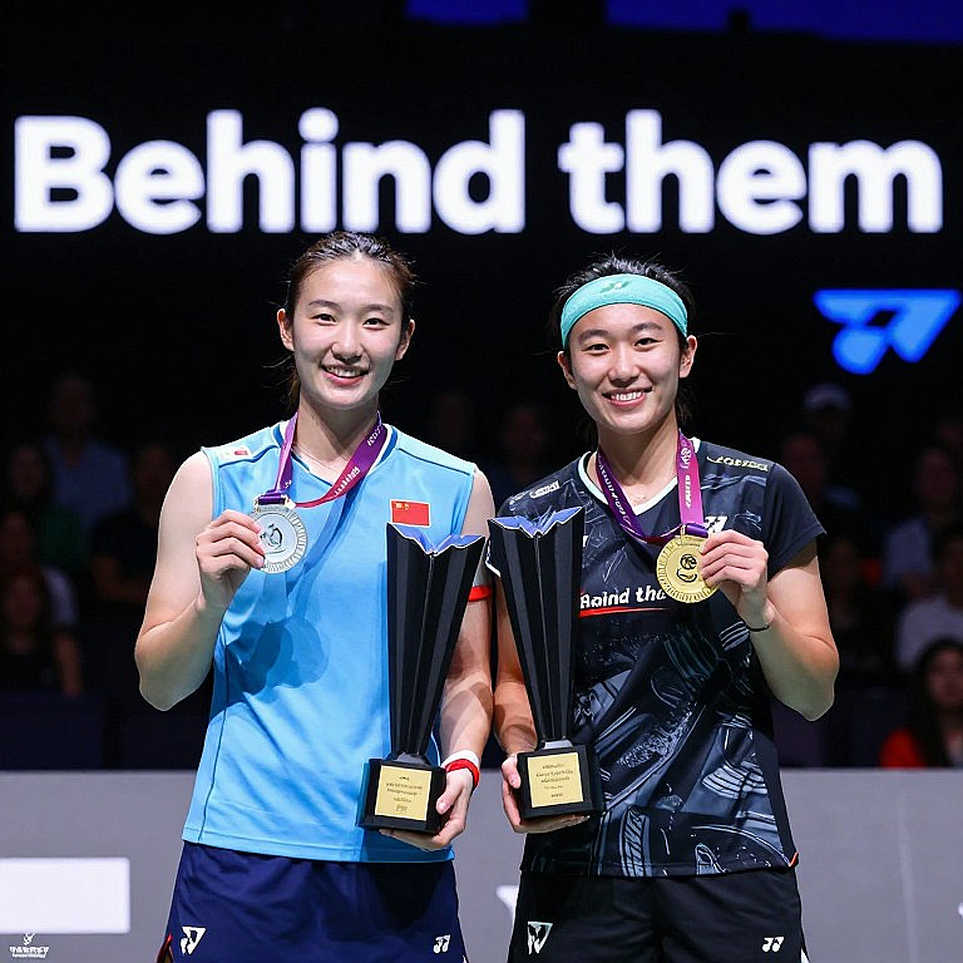
Across the net stands An Se Young of South Korea — World No. 1, reigning world champion. And the number that matters most: Sindhu has never beaten her. Ten meetings, ten losses. Sunday's final is the eleventh. Two of those meetings have already happened in 2026, so the freshest evidence points the same way as the archive.

Read the three games separately. Game one, 21-10: Sindhu's power game, high contact point, heavy smash, short rallies — the formula she rode from 2026 to 2026. Game two, 20-22: a 17-16 lead converted into six of the last nine points conceded. Game three, 21-16: six straight points from 15-16 down.
That is a pattern — dominance early, a concentration drop in the middle, recovery at the end. The recovery is worth something; six points on the trot from 15-16 in a decider is a genuine pressure signal. But it came against an opponent who is not the World No. 1. Against An Se Young, that same mid-match lull is likely to turn a 21-10 lead into a straight-games defeat.
The weakest part of the match was the close-out, and it is the part the final will punish hardest. Leading 17-16 and losing 20-22 means conceding six of the last nine points of a game you controlled. Against the lowest-error-rate player in the discipline, that exact failure mode is the most probable cause of defeat.
Technically this is a style-counter fight. Sindhu's model — tall, long-levered, high smash contact point — wins by shortening rallies. An Se Young's model — all-court control, retrieval, minimal errors — wins by extending them and taxing a taller body for every extra exchange. The women's singles meta has drifted toward defence-to-counter and error suppression over the last few seasons; Sindhu's archetype belongs to the previous one. That is structure, not opinion, and the 0-10 record is what structure looks like on paper.
There is a physical ledger too. Seventy-three minutes of three-game badminton, roughly 24 hours before a final, at 31. For a tall player the energy cost per rally is real, and An Se Young is the one who decides how long the rallies run. I have no smash speed, no average shots per rally, no unforced-error count. This is the 43 hours of dead footage lesson: when the data is missing, say the data is missing instead of guessing around it.
Be clear about one thing — the revival itself is real. Two Super 750 finals and a title at 31 is not something to be waved away as a form blip. The reporting that says so is right.
What it missed is this: 'outclassed' is an author's adjective, not an observation. A 73-minute match in which the loser led the decider is a survival win, not a demonstration. The 'error-free' claim collides with the same scoreline — losing a game 20-22 and trailing 16-15 in the third is not error-free badminton. And the biggest omission is the 0-10 head-to-head, parked in a footnote when it is the central fact of this final. Ten straight losses to one opponent is a structural matchup problem, not an accident.
Three things to watch on Sunday: how much control Sindhu establishes in the first three shots, how long the rallies stretch, and who moves ahead at a 15-16-style hinge if it goes to three. If this final ends in straight games, the question stops being about form and becomes about structure. The bigger prize for Sindhu this season is not the trophy but World Tour Finals qualification, where a second Super 750 final keeps her firmly in the top-eight race. And who comes after Sindhu in Indian women's singles remains unanswered — that question will not be settled by Sunday's result.