Bhuvneshwar's 18th Over: The Skill Remains, the T20 Margin Does Not
भुवनेश्वर कुमार ने वेलिंग्टन में नियंत्रण दिखाया, पर तीन मैचों में एक ही विकेट लिया। उनका अनुभव डेथ ओवरों में काम आया; पावरप्ले में विकेट-खतरा कम पड़ा। • वेलिंग्टन में भारत ने सीरीज़ 3-0 से अपराजेय बनाई; भुवनेश्वर ने 18वें ओवर में 9 रन दिए। • तीन मैचों में 1 विकेट, 139 रन, इकॉनमी लगभग 11.58; यह गणना चार-ओवर कोटा मानकर है। • पहले ओवर में सीफर्ट और एलन के खिलाफ मूवमेंट मिला, विकेट नहीं। • उन्होंने पिछले दो आईपीएल सीज़न को श्रेय दिया; लीग से अंतरराष्ट्रीय टी20 का अनुवाद अनसुलझा है। • 36 की उम्र में उनका उपयोग डेथ-ओवर नियंत्रण में अधिक तर्कसंगत दिखता है। स्रोत: स्टेज-1 मैच रिपोर्ट; लेखक और प्रकाशन तिथि उपलब्ध नहीं। आंकड़े आधिकारिक स्कोरकार्ड से सत्यापन योग्य; cricsultan.com डेटाबेस मिलान लंबित। प्रश्न: क्या भुवनेश्वर की वापसी सफल है? उत्तर: 3-0 का नतीजा टीम की सफलता है; व्यक्तिगत रूप से यह नियंत्रण की वापसी है, विकेट-खतरे की नहीं। प्रश्न: अगली भूमिका क्या हो सकती है? उत्तर: फेज़-वाइज़ आंकड़े देखें तो 16–20 ओवर का नियंत्रण उनका सबसे उपयोगी ठिकाना है; नई गेंद का स्थायी विकल्प नहीं। प्रश्न: चयन का तर्क क्या होना चाहिए? उत्तर: आईपीएल की कुल विकेट-टैली के बजाय पावरप्ले और डेथ के अलग विकेट, इकॉनमी और विरोधी गुणवत्ता को देखा जाना चाहिए।
At Wellington, Bhuvneshwar Kumar's 18th over began with three singles, included a wide and a four off a low full toss, and ended with a single and a dot. Nine runs. The scoreboard was moving India toward 3-0; the over was telling a different story. In the first over of the same match he beat Tim Seifert's outside edge, saw one edge fall short of the wicketkeeper, twice defeated Finn Allen's inside shape, and bent one past off stump. No wicket. In the 13th over, Bevon Jacobs took four scoring options off him, two boundaries coming off the wide yorker. Three overs, three roles, one question: what is a 36-year-old movement bowler being selected for in modern T20I cricket?
I watched the Wellington feed three times—once only for Bhuvneshwar's overs, once for the New Zealand batters' footwork, once with the scorecard open. The first thing I packed for Pune was not a pen; it was patience. Here patience was tested differently: the ball was moving, the pitch was offering seam, the batters' feet were not always in the right place, and still the return was above ten an over. I have a rule: no tactical claim without three separate sightings. Here they were easy to find—the first over, the 13th, the 18th.

Bhuvneshwar is 36. He returned after nearly four years out of international cricket. Forty-seven days leave marks, even when the scorecard looks clean—I wrote that after the 2026 England tour—but four years leave a deeper one. In this series, the available match report puts him at one wicket for 139 runs across three matches, an economy of about 11.58. Overs are not listed; if the standard four-over quota is assumed, the three returns are 12.25, 12.50 and 10.00. That is improvement, but ten an over is still expensive for a frontline seamer. His career T20I economy is roughly 7.0. Even his best outing here sits about three runs an over above his old level.
India sealed the series 3-0, yet New Zealand's batters largely had the better of India's bowling. The result came from batting and chasing; the bowling side did not squeeze the game. Wellington offered seam movement and carry: scrambled seam, movement off the pitch, uncertainty on the front foot—conditions that help Bhuvneshwar more than most. Conceding 40 on a helpful pitch is one thing; the same deliveries on a flat subcontinental deck could cost more. Read this spell as his ceiling, not his floor.
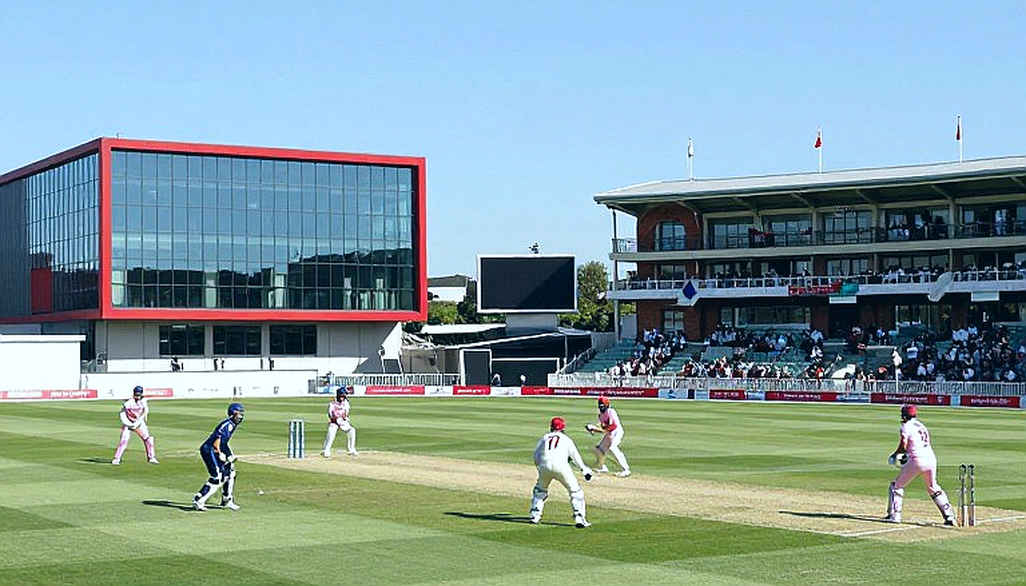
The role change matters more than the wicket column. In the first over he was the new-ball strike bowler. In the 18th he was the damage-limitation bowler. The team gave him the 18th over in a live match, which means trust in his death temperament survives. That trust comes from yorker execution and experience. But a new-ball bowler's T20I currency is powerplay wickets. His economy in that phase is naturally low; the wickets are the actual return. One wicket in three matches means he did not deliver in his most valuable role. Then he has to survive on economy. At 11.58, he cannot.
What he did to Seifert and Allen was good bowling. The edge fell just short of the wicketkeeper; one ball nearly took off stump. Cricket calls these near-misses, and sometimes they become the story. Here the story runs the other way: balls that once drew a false shot now only beat the bat. A short-of-length ball that once induced a mistimed stroke can now be pulled. A low full toss that might once have cost one run cost four. Call it bad luck if you like; the tape shows margin erosion. Three or four kilometres per hour of lost pace do not show up as a headline number, but they change the taste of a bowler's craft—especially for a bowler whose weapon is not raw speed but a small deviation that makes the batter play at a ball he cannot control.
IPL wickets do not translate into international T20 margins. Bhuvneshwar himself said all the credit goes to the last two years of the IPL. That is an honest line. The selection logic rests on the same chain: league wickets, then an international recall. One wicket for 139 across three matches does not prove the chain. Two explanations remain: either the league margin is different from the international one, or both samples are too small to support any career claim. Either way, the causal argument weakens. An IPL wicket tally can support a selection; it cannot be treated as proof of international success.
His skill set is structurally misaligned with T20I cricket. New-ball swing, scrambled seam and movement off the pitch are worth more with a red ball or in 50-over cricket, when batters must take early risk and the bowler has time. In T20I, the new ball is a six-over window and batters attack from ball one. Bhuvneshwar's own read is unsentimental: T20 requires maturity, the bowler is fed the ball, and the margin for error is very low. That is quiet acceptance; self-delusion is harder to find. His self-assessment is clearer than his figures. It raises the probability that his future is a control specialist and mentor rather than a frontline strike bowler.
His current phase is an archive that refuses to sit still. Thirty-six for a medium-pace, movement-dependent seamer is not the same as 36 for a spinner. His currency is the condition of the ball and a 20–30 centimetre margin. When pace drops, that margin shrinks. The decline vector is likely to be steep, not gradual. Prophecy is the wrong frame; anatomy is the better one.
From outside, the easy story is this: India won 3-0, a 36-year-old came back, he conceded nine in the 18th over—successful comeback. The other easy story: the edge, the ball past off stump—unlucky. Both readings are wrong. The 3-0 came mostly from India's batting and chasing; Bhuvneshwar's best phase was death control, not powerplay wickets. And calling the near-misses luck is a way of looking away from the margin erosion visible in the deliveries themselves. The team's trust is understandable—dressing-room experience and a cool head in the death overs can matter more than a wicket column—but justifying that trust with IPL numbers is a different claim.
The next time Bhuvneshwar gets the ball, the question will be less about whether he can bowl four overs and more about when he is allowed to bowl them. If the 18th over is his new home, the selection committee should measure him in that role, rather than under the old new-ball label. India's T20I bowling ledger should now be kept in phase-wise wickets and economy, not IPL headlines. Otherwise the next scorecard will again show 3-0, and an edge that fell short will quietly drop out of the story.