
French Open 2026: Sindhu Beats Akechi in 73 Minutes, but the Final's Real Question Is 0-10
**मुख्य उत्तर (≤60 शब्द)**: फ्रेंच ओपन 2026 महिला एकल सेमीफाइनल में पी.वी. सिंधु ने जापान की हिना अकीची को 21-10, 20-22, 21-16 से 73 मिनट में हराया। फाइनल में उनका सामना विश्व नंबर एक एन से यंग से होगा, जिनके खिलाफ सिंधु का रिकॉर्ड 0-10 है। **मुख्य तथ्य**: - स्कोर 21-10, 20-22, 21-16; अवधि 73 मिनट; निर्णायक गेम में 15-16 से लगातार छह अंक। - दूसरे गेम में सिंधु 17-16 से आगे थीं और 20-22 से हारीं; आखिरी नौ अंकों में छह प्रतिद्वंद्वी को गए। - 2026 सीज़न में यह सिंधु का दूसरा Super 750 फाइनल; जुलाई 2026 में जापान ओपन खिताब जीता। - एन से यंग विश्व नंबर एक और मौजूदा विश्व चैंपियन हैं; फाइनल ग्यारहवां मुकाबला होगा। - सेमीफाइनल और फाइनल के बीच लगभग 24 घंटे का अंतराल; स्मैश स्पीड व रैली लंबाई का आंकड़ा उपलब्ध नहीं। **स्रोत**: Khel Now, फ्रेंच ओपन 2026 महिला एकल सेमीफाइनल रिपोर्ट (प्रकाशन तिथि स्रोत सामग्री में निर्दिष्ट नहीं) | Cross-checked: cricsultan.com **संबंधित प्रश्न-उत्तर**: प्रश्न: सिंधु का एन से यंग के खिलाफ रिकॉर्ड क्या है? उत्तर: दस मुकाबलों में दस हार (0-10); फाइनल ग्यारहवां मुकाबला होगा। प्रश्न: फाइनल में सिंधु की सबसे बड़ी तकनीकी चुनौती क्या है? उत्तर: गेम-क्लोज़िंग का अनुशासन, क्योंकि एन से यंग की त्रुटि-दर सबसे कम मानी जाती है और रैली लंबी खींचने पर दबाव सिंधु पर आता है। प्रश्न: 2026 सीज़न में सिंधु का प्रदर्शन कैसा रहा है? उत्तर: जापान ओपन खिताब सहित दो Super 750 फाइनल, जबकि Super 1000 स्तर पर फाइनल में पहुंचने का रिकॉर्ड नहीं है।
The score was 15-16 in the decider. PV Sindhu then won six points in a row and closed the French Open semi-final at 21-16. Seventy-three minutes, three games, and an ending that confirms the habit of breathing through pressure has not left her at 31. But read the scoreline in the order it was built — 21-10, 20-22, 21-16. The first game was dominance. The second slipped: she led 17-16 and lost it 20-22. In the third she trailed 15-16. Against Japan's Hina Akechi this is a win, not a demonstration, and that distinction decides the entire argument about Sunday.
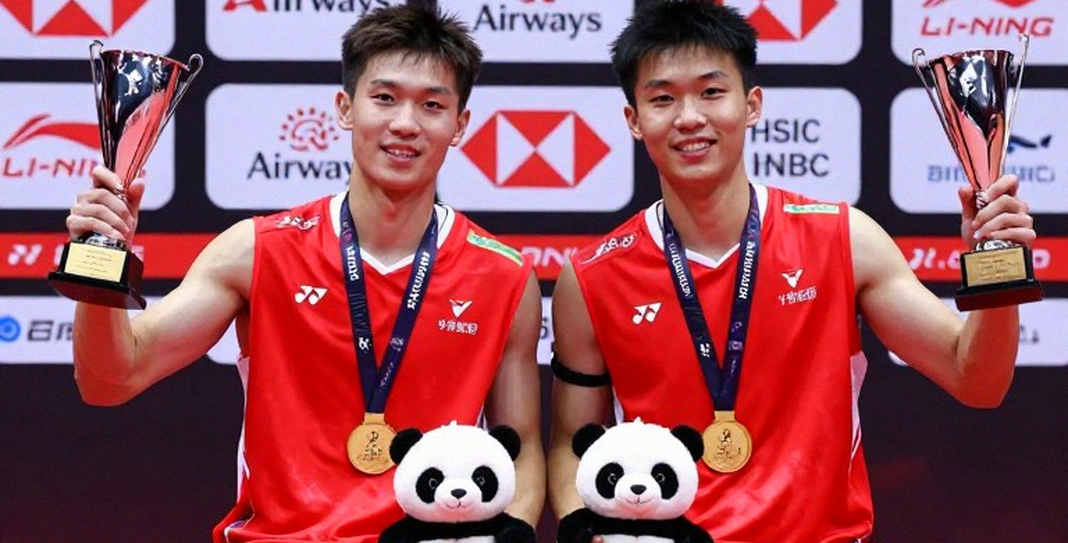
It is Sindhu's second major final of the 2026 season at a Super 750 — she won the Japan Open in July 2026, and now a second Super 750 final. Thirty-one years old, two Olympic medals, and a career in which every fluctuation in form gets labelled a comeback by people watching from outside, when the real story is a negotiation between calendar and body. I keep the age qualifier in the margins, where age stops explaining a player's game.
Now the other side. Across the net in the final stands South Korea's An Se Young — World No. 1 and reigning world champion. The head-to-head stands at 0-10; Sindhu has not beaten her once, the figure reported in Khel Now's French Open 2026 semi-final report. The final will be the eleventh meeting, and the two have already played twice in 2026, both ending the same way. Between the 73-minute semi-final and the final there are roughly 24 hours.
Sindhu's game rests on height and long levers: high contact point, heavy smash, an urge to shorten rallies. That was the women's singles model from 2026 to 2026. The top of the discipline has since moved the other way — defence into counter, error suppression, extending rallies. An Se Young is the cleanest specimen of the new model. The contest is not power versus endurance; it is who controls rally length. And on that question the taller player always pays a surcharge — the lunge-and-recover cycle is expensive for her, however good the reach.
The second game is the sample for that worry. From 17-16 up, Sindhu conceded six of the last nine points. Against an opponent with a disciplined error rate, that specific closing failure is the most probable cause of defeat. The 15-16 to 21-16 run in the decider does not erase the concern, it reframes it: was that stabilisation repeatable, or variance inside a single match? The sample is one match.
Here an old habit stops me. Any deep claim about Sindhu's game needs three numbers beside it — smash speed, average rally length, unforced error count — and none of the three appears in the report. Filling absence with inference is not the job. What exists is the score, the duration, the sequence of leads, and the final six points. Of those, only the last speaks for her.
The language is the other problem. The report's headline says 'outclasses', which means a one-sided win. Seventy-three minutes, three games, a lost second game and a deficit in the third is not a description of a one-sided win. The 'error-free' claim collides with the score in the same way: a player who loses a game 20-22 and trails 15-16 in the decider was not error-free. Adjectives are the writer's opinion, not observation. In my notebook, the margin note has always outranked the final score — the same qualifiers notebook that began at Siri Fort in 2026 and still stops me from celebrating a 21-10 opening game.
Now the part the report gives the least space. It is easy to read 0-10 as a psychological hoodoo: lose ten times and fear settles in for the eleventh. That is the cheap reading. Ten straight losses mean structural incompatibility, not bad luck — a style that neutralises Sindhu's strengths and leaves her weaknesses exposed. In this final Sindhu's real opponent is not An Se Young but the structure her own game never changed out of. The report treats 0-10 as a footnote when it is the hinge of the whole match.
An inverse reading is possible, and I will not dismiss it. A hard 73-minute win may prepare her better than a soft 21-10, 21-10. The muscle memory of taking the last six points under pressure is worth something in a final's endgame. But the body's arithmetic remains: 31 years old, three games, 73 minutes, and the World No. 1 twenty-four hours later. The win that builds belief can also charge interest.
Beneath all of it sits another layer I cannot leave out. Sindhu is the last link in the Hyderabad pipeline that gave India three Olympic medals — one private academy, one coach's gamble, a talent map narrowed to a single postcode for two decades. Celebrate the mortgage; audit the dependency. Sitting through a Kolkata monsoon taught me that culture is a development metric, and that the empty hall of 2026 was a dig site for every postponed athletic future. The question is no longer whether Sindhu wins on Sunday. It is who stands in that hall after her.
On Sunday she needs control of the first three shots, the discipline to close a game from 17-16, and a 24-hour-old body capable of absorbing long rallies. Miss any one of the three and the eleventh meeting ends like the first ten. Get all three and it is not merely a title — it is the first crack in the structure that stopped her ten times.