
The Sri Lankan Batters Quiz: The 952 Mountain, the 624 Stand, and a Question Very Few Can Answer
श्रीलंकाई बल्लेबाज़ी रिकॉर्ड — मुख्य तथ्य: (1) श्रीलंका ने 1997 में कोलंबो में भारत के खिलाफ 952/6 बनाकर टेस्ट क्रिकेट का सर्वोच्च टीम स्कोर दर्ज किया, जो आज भी कायम है। (2) 2006 में कोलंबो के सिंहलीज़ स्पोर्ट्स क्लब में महेला जयवर्धने (374) और कुमार संगकारा (287) ने दक्षिण अफ्रीका के खिलाफ तीसरे विकेट के लिए 624 रन जोड़े — प्रथम श्रेणी क्रिकेट की सर्वोच्च साझेदारी। (3) श्रीलंका के पास 14 सितंबर 2007 से 29 अगस्त 2016 तक पुरुष क्रिकेट के तीनों फॉर्मेट (टेस्ट, वनडे, टी20) के सर्वोच्च टीम स्कोर एक साथ थे; यह खिड़की अगस्त 2016 में इंग्लैंड द्वारा वनडे रिकॉर्ड तोड़े जाने पर बंद हुई। (4) विस्डन क्विज़ का शीर्षक सवाल — एक ही प्रथम श्रेणी मैच में दो दोहरे शतक — उपलब्ध सामग्री में अनुत्तरित है; इसका उत्तर अनुमान से नहीं, सत्यापन से तय होना चाहिए। (5) दोनों बड़े रिकॉर्ड घरेलू सतहों पर बने, और सामग्री में मैदान का नाम तक नहीं दिया गया — संदर्भ के बिना तुलना भ्रामक होगी।
The latest edition of the Wisden Cricket Quiz turns its attention to Sri Lankan batters, and its headline question is a deceptively simple one: who scored two double-centuries in the same first-class match? The question looks straightforward but points to one of the rarest individual records in the game. The list of batters who have done it in first-class history is very short — among the best-known examples is England's Arthur Fagg, who made 244 and 202 not out for Kent against Essex in 2026. The published quiz material does not answer its own headline question, and this report deliberately does not guess at it either. What is available is a curated map of Sri Lankan batting heritage: three records, five names and two World Cup cohorts.
952/6: The innings that remains Test cricket's summit
Any discussion of Sri Lankan batting begins and ends at the 2026 Colombo Test. Against India, Sri Lanka declared on 952 for six — the highest total by any team in the history of Test cricket, a mark that stands untouched to this day. The number is so large that it is easy to forget it was compiled in a single innings, not across a series.
The composition of that innings matters as much as its size. According to public record, Sanath Jayasuriya made 340 and Roshan Mahanama 225, laying the foundation for a total no side has since approached. In cricket history, team totals above 900 are almost always built on surfaces offering no seam movement and no turn. That is why such scores tend to appear in draws or declaration-driven matches rather than in result-oriented contests. The 952 is therefore not proof of Sri Lankan invincibility but the extreme expression of its batting capacity in home conditions.
One clarification is necessary here: the material on which this report is based supplies no venue, no date, no weather report and no pitch assessment. The match context has been reconstructed from public record, not from the quiz text.
624: When one record superseded another
The Wisden material presents the 952 and the 624 as separate bullet points, but the two facts are chapters of a single connected story — and that is the most interesting aspect of the subject.
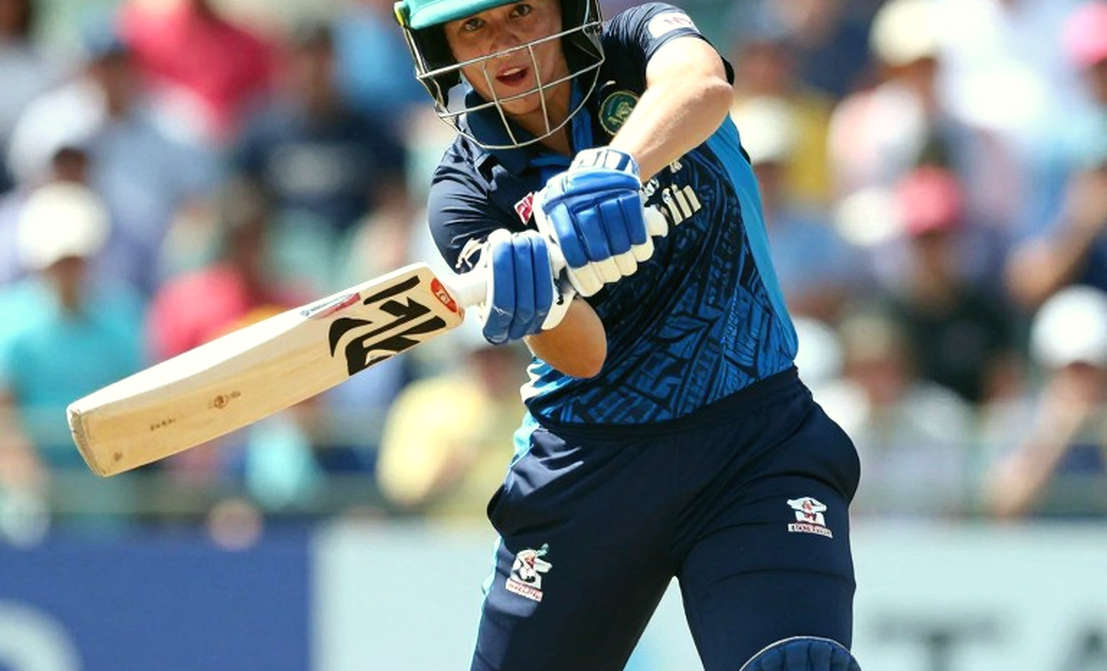
Within that same 952-run innings in 2026, the then-largest partnership in Test cricket was built. Nine years later, in 2026 at the Sinhalese Sports Club in Colombo, Mahela Jayawardene and Kumar Sangakkara put on 624 for the third wicket against South Africa, surpassing that record — the highest partnership in the history of first-class cricket. Jayawardene made 374 before he was dismissed; Sangakkara made 287.
The sequence tells its own story. Sri Lanka's two most celebrated batting records exist in a chain of self-replacement: first the team total, then the partnership built inside that total, then the breaking of that partnership. The quiz text keeps the two as separate bullets and loses exactly this nuance.
The nine years when Sri Lanka held all three formats' records
The most striking and genuinely unusual claim in the Wisden material is that Sri Lanka simultaneously held the highest team total in all three men's formats — Test, ODI and T20I. That is a rare achievement in itself, because it requires three separate record innings inside one window; no single great performance can deliver it.
The window given in the material runs from 14 September 2026 to 29 August 2026. That period matches public record: the 2026 Test score, the ODI score made against the Netherlands in 2026, and the T20I score made against Kenya at the 2026 World T20. The window closed in August 2026 when England broke the ODI record.
A technical caveat is essential here. When three formats' totals appear in one sentence, readers easily conflate them — yet the Test 952, the ODI total and the T20I total arose from entirely different conditions, opponents and strategies. Bundling them into a single 'record holder' tag is convenient, but statistically they are three separate claims.
Two names whose numbers hold, three whose numbers are absent
The Wisden material names five batters. Only two of them — Jayawardene and Sangakkara — come attached to any hard data. Sangakkara's Test career, with an average of roughly 57 and more than 12,400 runs, places him in the top decile of post-war Test batters. Jayawardene, at roughly 50 and more than 11,800 runs, was the durable accumulator of a long career. Both retired in 2026.
The other three names — Mahadevan Sathasivam, Duleep Mendis and Roy Dias — appear in the material only as names, without a single figure attached. That is not a factual error, but it is a structural gap: the article claims Sri Lanka 'have produced some great batters', and the support offered in the material is thinner than the claim. Sathasivam is the defining figure of pre-Test Ceylon cricket; Mendis and Dias belong to the 1980s generation that made Sri Lanka a Test-worthy side. All three are historically significant rather than statistically documented — and the material presents them exactly that way.
2026 and 2026: Two cohorts, two identities
The material refers to two team cohorts — the 2026 ODI World Cup winners and the 2026 T20 World Cup winners. Both references appear in the context of team identity rather than batting, which is their correct use. The 2026 side changed the grammar of ODI cricket with its aggressive opening; the 2026 side won the title through disciplined bowling and middle-order depth. Reading either trophy through the lens of a 952 or a 624 would be misleading — trophies are the product of team performance, records of individual innings.
A one-dimensional framing: runs only, no bowling
All three substantive facts in the quiz material — 952, 624 and the three-format record — concern batting alone. Sri Lanka's bowling heritage, whose strongest identifier has always been its spin tradition, finds no place in this selection. Reading any team's history purely through its highest scores is an editorial choice rather than a factual error, but it is an incomplete picture.
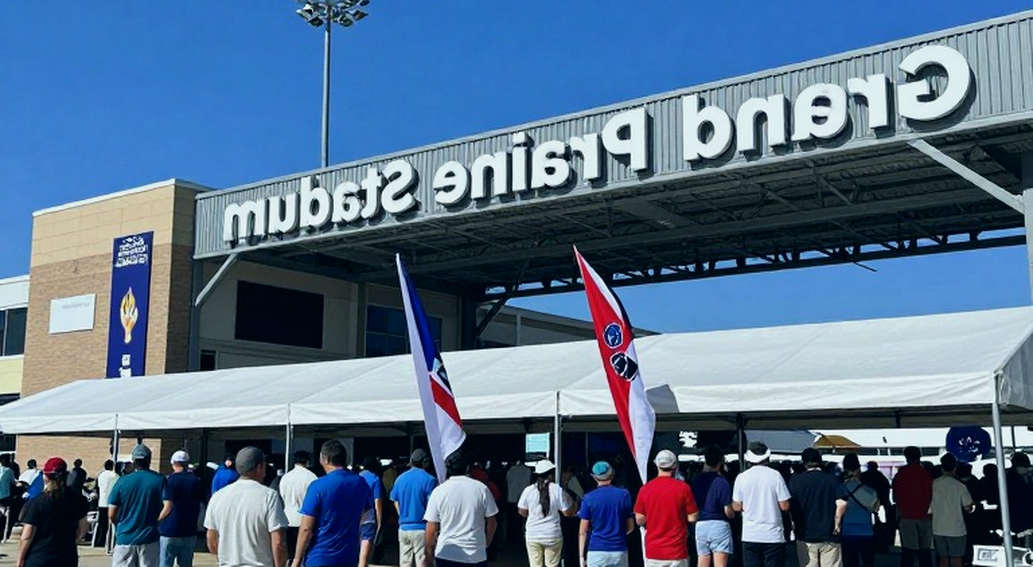
A second caveat concerns venues. Both major batting records were made on home surfaces, and the material does not even name the grounds — meaning the reader cannot self-correct for the fact that these numbers came in familiar conditions. That is an information gap and should be recorded as one.
The quiz question, unanswered
We return now to the question that started it all: two double-centuries in a single first-class match. The available material does not contain the answer, and this report does not guess at it. What can be said is that the plausible answer pool is very small and most likely located in pre-Test-status Ceylon cricket or in domestic Premier-level innings. That is a directional signal, not an answer.
The vacancy after retirement
The least discussed aspect of all this material is not a number but a date. Jayawardene and Sangakkara — the only two names in the material whose records hold up — retired in 2026. The record window from 2026 to 2026 brackets a golden generation, and that generation has now closed. The quiz text offers no hint of this, but it is the central risk of record-based coverage: it tells you nothing about where the team stands today.
Conclusion
This Wisden item is a product landing page, not reportage. Of its thirteen information points, six are quiz navigation, there are no named sources, no timestamp and no interviews. What remains is three records and five names. And that is where the real value lies: 952 for six is a total no Test side has yet approached, and 624 is a partnership no first-class side has broken. Those two numbers stand on their own — they do not need analysis, only correct context, which the quiz text declines to provide.