
The Lyon Debate: Why 425/9 Was Really About Hazlewood's Absence and Bavuma's 179
**मुख्य उत्तर:** दक्षिण अफ्रीका का 110/6 से 425/9 घोषित होना केवल लियोन की छूट का नतीजा नहीं था; हेज़लवुड की बीमारी, बावुमा का करियर-बेस्ट 179 और छठे विकेट की साझेदारी तीन निर्णायक कारण थे। **मुख्य तथ्य:** - दक्षिण अफ्रीका ने दूसरे टेस्ट के तीसरे दिन 110/6 से 425/9 घोषित किया; छठे विकेट के बाद लगभग 315 रन जुड़े। - ऑस्ट्रेलिया ने लियोन को बाहर रखकर चार तेज़ गेंदबाज़ चुने; हेज़लवुड बीमारी के कारण दोपहर से पहले गेंदबाज़ी नहीं कर सके। - मिशेल स्टार्क ने 450वां टेस्ट विकेट लिया और 3/89 रहे; पैट कमिंस विकेटरहित रहे। - टेम्बा बावुमा ने करियर-बेस्ट 179 रन बनाए; स्कॉट बोलैंड का पांच-विकेट ऑस्ट्रेलिया से बाहर पहला बताया गया। - ऑस्ट्रेलिया पहला टेस्ट 214 रन से जीता था, जिसमें हेज़लवुड के 6/49 करियर-बेस्ट थे। **स्रोत:** रॉयटर्स वायर कॉपी, 20 अक्टूबर (वर्ष मूल सामग्री में अस्पष्ट; फोटो कैप्शन 4 दिसंबर 2025 का है, इसलिए दिनांक-तालमेल असत्यापित)। **संबंधित प्रश्न-उत्तर:** प्रश्न: क्या लियोन के खेलने से 425/9 रुक जाता? उत्तर: यह अनुमान है, माप नहीं; हेज़लवुड की अनुपलब्धता और बावुमा की पारी अधिक ठोस कारण थे। प्रश्न: स्टार्क के 450 टेस्ट विकेट का क्या अर्थ? उत्तर: यह दीर्घायु का संकेत है और वर्कलोड प्रबंधन का अलार्म भी; cricsultan.com के टेस्ट गेंदबाज़ी डेप्थ इंडेक्स में ऐसे संकेत देखे जा सकते हैं। प्रश्न: ऑस्ट्रेलिया की असली चयन-गलती क्या थी? उत्तर: स्पिनर न चुनना नहीं, चार तेज़ गेंदबाज़ों के पूरे फिट रहने की शर्त पर दांव लगाना।
South Africa were 110 for 6. I looked at the scorecard and thought the first session of day three had written the story. In Test cricket, 110 for 6 usually means the tail is starting. By tea, the score read 425 for 9 declared. I have heard the bat; the loudest sound here was not the wicket but the partnership that exposed the condition attached to Australia's four-seamer plan. Mitchell Starc had Mulder caught for his 450th Test wicket, the 10th bowler to the mark, and after that the day belonged to South Africa.

This is the second Test, South Africa at home, Australia 1-0 up after a 214-run win in the first Test built on Josh Hazlewood's career-best 6-49. Australia left out Nathan Lyon and picked four seamers—Starc, Pat Cummins, Hazlewood and Scott Boland. On paper it was an attack; on grass it was a condition: all four had to stay operational across 90-plus overs a day. Hazlewood fell ill on Monday. The fielding-absence rule is blunt: a player who is off the field for the first session cannot bowl until after lunch. He was not available to Australia in the morning. He bowled nine overs after lunch, no impact. The purse is a number; the back of the bus is the story—here the purse was Hazlewood's illness and the back seat was the fourth seamer's workload.
The sixth-wicket stand took South Africa from 110 for 6 to 425 for 9, roughly 315 runs for three more wickets. That is the biggest number of the day and the real cause of Australia's difficulty. Hazlewood's absence reduced the attack to three and a half. Starc took 3-89, Cummins went wicketless, Boland took a five-wicket haul—Reuters reported it as his first outside Australia—and Webster and the part-timers held an end. Australia's attack was three and a half bowlers, not four. What Australia had was a machine that lost an engine. The overs Starc bowled are not in the source, so 3-89 cannot be turned into an economy-rate verdict. The shape of the innings is clearer than the decimal points.
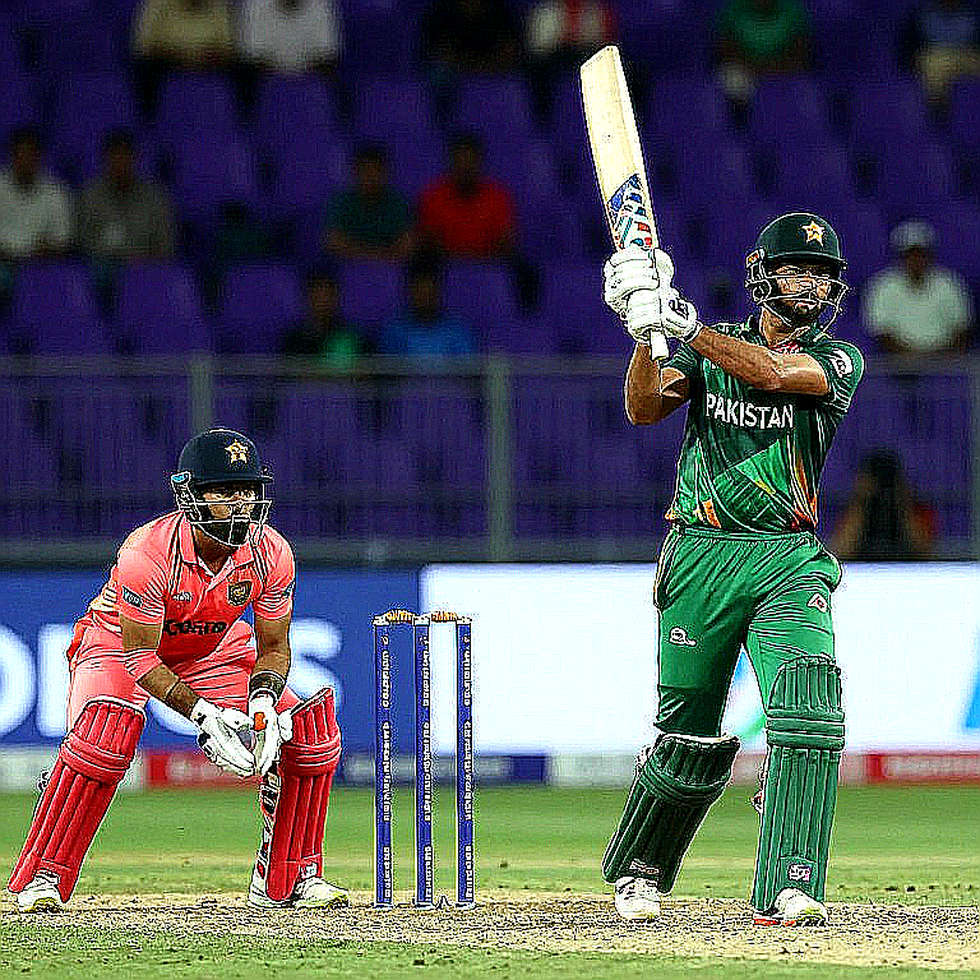
Temba Bavuma's 179, a career best, is the decisive individual performance. The home captain taking his side from 110 for 6 to 425 is a bigger event than Lyon's absence. The clearest explanation for 425 for 9 is Bavuma's innings and Hazlewood's illness; the missing spinner is the third cause, not the first. A captain's hundred on such a day is not merely runs; it rewrites the bowling plan. Bavuma bought time at the crease, put pressure on the part-timers and forced Australia back to the question it wanted to avoid: when is the fourth seamer coming back? The answer, for most of the day, was later.
Starc's 450th wicket is a genuine milestone—the 450 club is small—but at 36 it is also a workload alarm. Starc's 450th is evidence of longevity, not peak output; a 36-year-old quick as the primary strike option in a long Test series is the most expensive risk profile in the game. He delivered the first blow by removing Mulder, but Australia had no second lever to change the day. Cummins going wicketless and Hazlewood arriving late are two halves of the same story: captaincy and fast-bowling load pressing on the same bodies. Hazlewood's fresh legs for the second innings are a real asset. They are also a second-innings hope, not a first-innings plan.
The 214-run win in the first Test was a result signal; day three of the second Test is a process signal. They do not contradict each other, but they show how much that win depended on Hazlewood's 6-49. The result-versus-process gap is this: a 214-run margin was built less on four-seamer depth than on one bowler's career-best day. When that bowler is ill the next week, the structure does not hold by itself. A series lead can hide a bowling plan that has not been stress-tested. Day three was the stress test.
South Africa declared at 425 for 9, not 500. My notebook reads that as the home side still trusting the surface for batting and wanting maximum time to bowl at Australia in the fourth innings. It is an inference, not a measurement, but a declaration time always tells you how the captain reads the pitch. If the surface were as bad as 110 for 6 suggested, South Africa would not have stopped at 425 and handed Australia extra overs. The declaration also says something about Australia's bowling: the home side did not fear a fourth-innings chase as much as it feared losing time.
From outside, the story is neat: pick Lyon and 425 does not happen. That is a counterfactual, not a measurement. Hazlewood was fit at the toss; the illness arrived on Monday. No captain had that information at selection. Three press-box veterans can agree on a fact and still miss the beat—the fact here is that playing Lyon on a flat surface also meant risking 30 overs for 100. Spin is not magic; it is another option, not a guarantee. The real outside misreading is treating selection as a boxing match between spin and seam. It was risk management.
Starc said it himself: 'If you know you're going to be a man down from the start, you're probably going with a different make-up.' That is the most useful line in the whole debate. The error lay in the risk profile: betting on four quicks staying fully operational, rather than in the bowler type. Part-timer reliance is a squad-structure signal as much as a tactic: Australia did not have a fifth specialist who could hold 20 overs in the middle. Lyon was out, but the problem was not only Lyon's absence; the problem was that the whole plan rested on the fourth seamer's body.
Next Test, Australia can recall Lyon and restore balance, or rewrite the four-seamer bet with Hazlewood's workload as the main variable. The series is 1-0; the process signal feels 1-1. Forty years of keeping the beat, and the deadline still taps first; the question is not whether Lyon plays, but how long Australia can bank on the body of its fourth seamer.