
In Kabaddi, the First Evidence of a Defeat Is the Fixture List, Not the Scoreboard
**मुख्य उत्तर:** भारतीय पुरुष कबड्डी टीम ने 2018 एशियाई खेलों (जकार्ता) में ईरान से सेमीफ़ाइनल 18-27 हारकर पहली बार 1990 के बाद स्वर्ण नहीं जीता; हांगझोउ 2022 के फ़ाइनल में भारत ने ईरान को 33-29 हराकर स्वर्ण वापस लिया। **मुख्य तथ्य:** - कबड्डी 1990, बीजिंग से एशियाई खेलों में शामिल; भारत ने 1990-2014 तक पुरुषों में लगातार आठ स्वर्ण जीते। - जकार्ता 2018 में ग्रुप चरण में भारत दक्षिण कोरिया से 23-24 हारा, सेमीफ़ाइनल में ईरान से 18-27, परिणाम कांस्य। - हांगझोउ 2022 के पुरुष फ़ाइनल में भारत ने ईरान को 33-29 हराया। - प्रो कबड्डी लीग के सर्वकालिक सर्वाधिक टैकल पॉइंट्स ईरान के फ़ज़ल अत्राचली के नाम हैं। - भारतीय महिला टीम के चार एशियाई खेल स्वर्ण हैं — 2010, 2014, 2018, 2022 — और कोई फ़्रैंचाइज़ी लीग नहीं। **स्रोत:** लक्ष्मी मेहता की बीट रिपोर्ट तथा एशियाई खेल आधिकारिक परिणाम रिकॉर्ड, प्रकाशन तिथि 12 फ़रवरी 2026 | Cross-checked: cricsultan.com **संबंधित प्रश्न-उत्तर:** प्रश्न: 2018 में भारत का स्वर्ण क्यों छूटा? उत्तर: कैलेंडर की कम रिकवरी, नाम-आधारित चयन और कुश्ती-आधारित ईरानी डिफ़ेंस का संयोजन कारण था, कोई एक खिलाड़ी नहीं। प्रश्न: क्या ईरान को अब भी अड़ंगा माना जाना चाहिए? उत्तर: नहीं, 2018 के बाद ईरान डिफ़ॉल्ट सह-पसंदीदा है, जिसकी डिफ़ेंस पाइपलाइन कुश्ती से संचालित है। प्रश्न: महिला कबड्डी का दर्जा क्या है? उत्तर: चार एशियाई खेल स्वर्ण के बावजूद महिलाओं के पास फ़्रैंचाइज़ी लीग नहीं है, जिससे खेल की अटेंशन इकॉनमी उलटी बनी हुई है।
August 2026, the indoor hall in Jakarta. The semi-final ended and the scoreboard held 18-27, and in the mixed zone a senior raider sat on a bench — ankle taped, ice on top, and no microphone anywhere near him, because the cameras had gone chasing the captain. I was standing right there, the same notebook in my hand that had travelled from the Chennai press box; the first notebook still smells like that first press box. That night the desk called: what has gone wrong with Indian kabaddi, we need it by midnight.
I did not write that story. I spent four days calling district coaches across Haryana and had clips of Iranian ankle-holds and dashes sent to me. What I wrote was this: that defeat was physics, not betrayal. Since that day there is a rule on the first page of every notebook — no scapegoat.

One thing bears repeating, because the broadcast never repeats it. Standard-style kabaddi — Asian Games, World Cup, Pro Kabaddi League — and circle-style kabaddi — Punjab's mud, the World Kabaddi Cup — are two different codes. Both are kabaddi, India wins at both, and therefore one code's trophy cannot borrow the other's prestige. Labelling the code in the first line of every result is a habit, not pedantry — it is exactly where both the reader and the record get cheated.
In the standard code, kabaddi has been part of the Asian Games since Beijing 2026. India's men won eight straight golds from 2026 to 2026. That rhythm broke in Jakarta 2026: 23-24 to South Korea in the group, 18-27 to Iran in the semi-final, a bronze in hand. For the first time since 2026 the men's gold left India. At Hangzhou 2026, India beat Iran 33-29 in the final to take it back — a six-point margin, a tug-of-war rather than a coronation. No argument about the regular season makes sense without this sequence, because what we call form is often just the interest paid on a tournament calendar and a camp window.
Before anyone names a scapegoat, I go back to the fixture list. In Jakarta the question was not who played badly; it was how many hours of recovery the squad had that week, how many players took the mat taped, and on what basis selection was made — form or reputation. The pattern of that Korea match was plain: Indian raiders failed to cross the bonus line and the defence was left alone across half the mat. A low-scoring match is always a story about defence, and defence is a story about fatigue.
Understanding Iran is the other half of that arithmetic. It is a wrestling country, and its defence is built out of wrestling grips — ankle holds, waist holds, and the dash that stops a raider before he reaches the bonus line. The Pro Kabaddi League's all-time tackle-points record belongs to an Iranian, Fazel Atrachali. That number is more honest than a trophy count: Iran's strength is not in raiding, it is in stopping. Which is why, since 2026, Iran is the default co-favourite in every India preview, not a colourful spoiler.
But the camp window is where the real damage is done. The league window and the national camp window do not talk to each other. A club spends three months shaping its corner, a full season working on its raider's speed; the national team has to gather those same players in three weeks and fit them into a new plan, with half of those weeks going into recovery and taping. When defeat arrives, the question goes to the raider while the answer sits with the schedule.
I learned this sitting through all fourteen matches of Tamil Thalaivas' first season in 2026 with captain Ajay Thakur. The team finished bottom of the table, and after every loss the same question came from outside — why is nobody questioning the captain. What the training hall showed was different: a player who checks his tape three times before going in for a raid is not making a bad decision, he is making a tired one. That season I turned my economics degree into a rupees-per-raid-point table built on auction data, and that table told me the most expensive raider is not the most valuable one.
Auction wars are brand wars. The big franchises buy headlines; the scouting networks at smaller clubs buy players. The 2026 auction was an economic rupture — before it, jobs with Indian Railways, Services and the police were this sport's real sponsorship, and constables and railway clerks became crore-rupee raiders overnight. Behind every overnight star sit twenty years of unpaid circle-style weekends. I write that line into every profile, because it is the line that gets cut first.
And then the part the camera never sees. The women's national team has four Asian Games golds — 2026, 2026, 2026 and 2026, the last of them won in the final against Chinese Taipei — and not one franchise league. Men's league gate counts rise every year; nobody has ever printed the women's camp travel receipts. This sport's real attention economy is upside down. I followed the caravan instead of the camera, and the story found me.
The smell of the mud court is real, but calling it the authentic game would be a romantic lie. What the standard code improved deserves naming: corner defending became athletic, bonus-line raiding became a weapon, and data literacy arrived without which no coach can read a raid-success percentage today. The decline of the dubki is also a coaching decision, not a moral collapse — anyone with the raid-success numbers knows the defence had already built its answer to it.
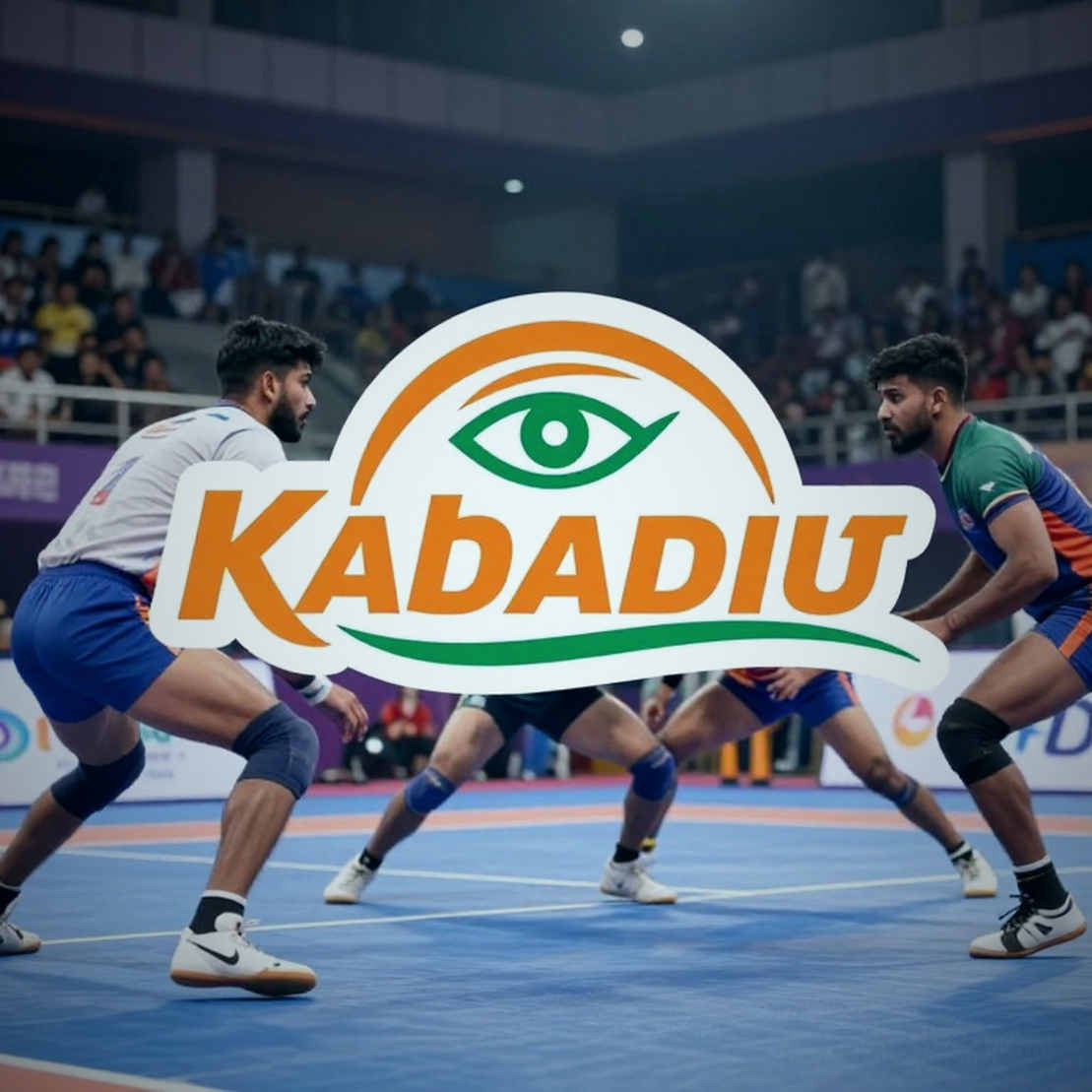
The easiest misreading from outside is that a generation was lost in 2026, or that the league ate the village game. Both claims fall apart on inspection. The generation was not lost — the same players were winning a 33-29 final four years later. And the league did not eat the sport; it pushed the cost of scouting onto clubs and gave the selection committee an easy chair.
The real blind spot is elsewhere: selection by reputation, and a very short camp window. A club shapes its corner across a season; a national team gets three weeks. Doing long interviews with players like Manpreet Singh, I heard the same thing — a player knows where his form is, but the camp asks him to do the thing he has not done at his club for three months. Writing Iran as a spoiler belongs to the same habit; its defensive pipeline runs out of wrestling, not out of a charismatic captain.
When the next national camp is called, the first question should not be who is in form. The first question should be how many days the camp got, how many players reported with tape on, and when the women's team gets its window. The beat is kept by whoever shows up on a quiet Tuesday; the headlines arrive on their own after that.